


What should you do if you experience tinnitus?
Aug 24, 2022
Source: Cainiu Health

Dr. Xu Gang
Introduction
Tinnitus should be promptly evaluated at a reputable hospital’s Department of Otolaryngology (Ear, Nose, and Throat) for definitive diagnosis—typically via audiometry or temporal bone CT imaging. Once diagnosed, treatment may include medications that improve microcirculation in the ear. During treatment, patients should adhere to proper lifestyle management: avoid exposure to loud noise, maintain a healthy diet, and undergo regular hearing assessments. In severe cases, tinnitus can significantly impair hearing, often making it difficult to understand speech.
Tinnitus—ringing or buzzing in the ears—is a common occurrence in daily life. When it happens, people often feel extremely uncomfortable, with persistent ringing sounds in their ears. So, what should one do upon developing tinnitus?
What to Do If You Develop Tinnitus
Individuals experiencing tinnitus should promptly visit a reputable hospital’s Department of Otolaryngology for diagnosis—typically via audiometry or temporal bone CT scanning. Once diagnosed, treatment may include medications that improve microcirculation in the inner ear. During treatment, patients should pay close attention to lifestyle management: avoid exposure to loud noise, maintain a healthy diet, and undergo regular hearing assessments.
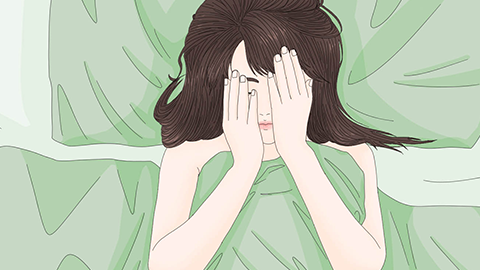
In severe cases, tinnitus can significantly impair hearing, making it difficult to understand speech. Patients with sensorineural tinnitus often experience progressive hearing loss, accompanied by anxiety, restlessness, depression, and other emotional disturbances. Tinnitus tends to become especially pronounced at night—even after falling asleep—leading to poor sleep quality and substantial disruption of rest.

Patients with tinnitus must address and eliminate various unhealthy habits. For instance, frequent alcohol consumption should be avoided, as alcohol can damage neural tissue and exacerbate tinnitus symptoms; thus, patients are advised to limit alcohol intake. Similarly, smoking reduces blood oxygen levels, leading to hypoxia in cochlear hair cells, diminished auditory sensitivity, and worsening tinnitus—therefore, smoking should be avoided altogether. Prolonged exposure to noisy work environments should also be avoided, as it may cause hearing deterioration and even trigger tinnitus. Tinnitus is a relatively common otolaryngological condition; timely medical consultation and targeted treatment are essential following onset, along with regular follow-up visits to monitor therapeutic efficacy. We hope this information proves helpful. Wishing you good health and a joyful life!


