


What Causes Yellow, Thick Vaginal Discharge?
Aug 05, 2022
Source: Cainiu Health

Dr. Chen Zhe
Introduction
Yellowish, thick vaginal discharge may indicate cervical erosion, which occurs when pathogens invade the cervix, leading to increased and thicker discharge. Affected women often experience a greater volume of discharge that becomes more viscous, sometimes purulent or blood-tinged. Additional symptoms may include lower back pain and abdominal bloating. Contact bleeding during intercourse may also occur, along with foul odor. Poor sexual hygiene—such as unclean intercourse or excessive vaginal douching—can contribute to cervical erosion and darkening or worsening of vaginal discharge.
The normality of vaginal discharge is directly linked to overall health. Normal vaginal discharge is colorless, transparent, and resembles egg-white in consistency—stretchy and stringy—with no unpleasant odor. Yellowish, thickened discharge indicates an abnormal condition. So, what causes yellow, thick vaginal discharge?
What Causes Yellow, Thick Vaginal Discharge?
Yellow, thick vaginal discharge may suggest cervical erosion (cervical ectropion), primarily caused by pathogen invasion of the cervix, leading to increased and thicker discharge. Affected women often experience greater volume of discharge, which becomes more viscous and may turn purulent or blood-tinged. Additional symptoms may include lower back pain and abdominal distension. Contact bleeding during intercourse may also occur, along with foul odor. Poor sexual hygiene, frequent douching, or over-cleaning of the vagina can contribute to cervical erosion and darkening/thickening of discharge.
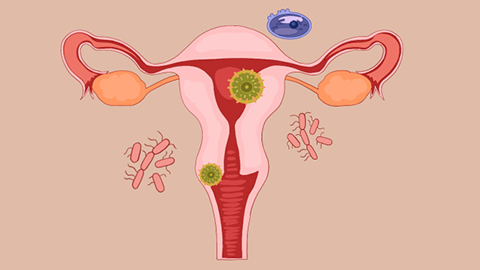
Vulvovaginal candidiasis is caused by infection with Candida albicans. Pregnant women, individuals with diabetes, and those who frequently use antibiotics are at higher risk. Common transmission routes include sexual contact. Bacterial infection may also occur via shared bathing facilities or towels, resulting in thickened discharge. Since this condition can be transmitted between partners, concurrent treatment of both partners is recommended to prevent cross-infection.
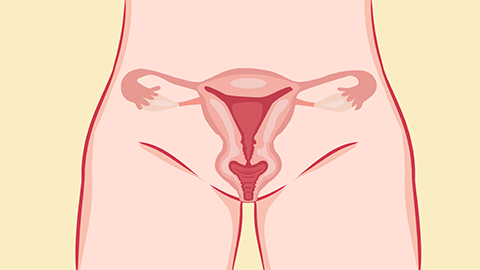
Infection with Trichomonas vaginalis depletes glycogen in the vaginal epithelium, impairing the vagina’s natural self-cleansing function and predisposing to secondary bacterial infection. Discharge may become darker and yellowish, requiring prompt anti-inflammatory treatment.



