How is atherosclerotic plaque treated?
Aug 05, 2022
Source: Cainiu Health

Dr. Li Man
Introduction
For the treatment of atherosclerotic plaques, conservative management should be initiated first—such as antiplatelet agents and statins—to inhibit platelet aggregation and reduce vascular inflammation, thereby stabilizing the plaque and preventing further progression of atherosclerosis. Additionally, patients should be advised to quit smoking and alcohol consumption, engage in appropriate physical activity, and follow a low-salt, low-fat diet.
The incidence of arterial sclerosis is relatively high among elderly individuals, as arterial walls gradually thicken and stiffen with age, losing elasticity and leading to narrowing of the arterial lumen. So, how are atherosclerotic plaques treated?
How Are Atherosclerotic Plaques Treated?
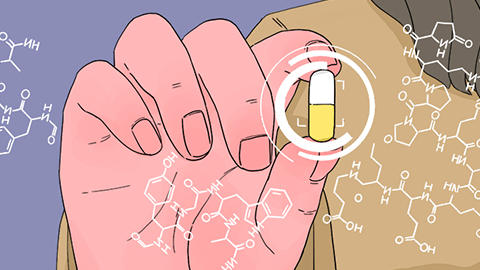
For atherosclerotic plaque management, conservative treatment is typically the first-line approach. This includes antiplatelet agents and statins to inhibit platelet aggregation and reduce vascular inflammation—thereby stabilizing existing plaques and preventing further progression of atherosclerosis. Patients should also be advised to quit smoking and alcohol consumption, engage in appropriate physical activity, and follow a low-salt, low-fat diet to maintain healthy lifestyle habits. If atherosclerotic plaques significantly impair blood supply, surgical intervention may be required to remove them. Thus, treatment options for arterial plaques include both pharmacotherapy and surgery; the specific choice depends on the individual patient’s clinical condition.
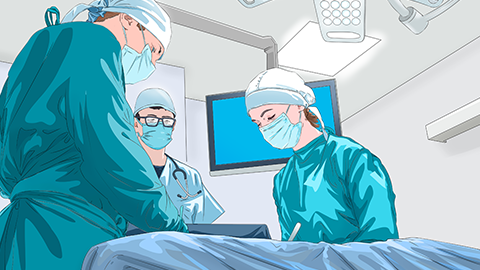
In patients with severe luminal stenosis (>70%) or those exhibiting clinical symptoms, surgical endarterectomy—removing the plaque and intima through an incision—can fully restore luminal patency. Alternatively, interventional plaque debulking techniques can remove 70–80% of the plaque to restore most of the lumen’s patency; balloon angioplasty and stent placement may be performed as needed.
Patients are advised to maintain a light, bland diet, avoid spicy and irritating foods, abstain from tobacco and alcohol, adhere to regular sleep schedules, and avoid staying up late. We hope this information proves helpful.