


Can infant bronchiolitis resolve spontaneously?
Aug 05, 2022
Source: Cainiu Health

Dr. Guo Xiheng
Introduction
Most cases of pediatric bronchitis cannot resolve spontaneously. When bronchitis occurs in children, it tends to be more severe if caused by a bacterial infection or a mixed bacterial and viral infection, necessitating formal and systematic treatment to control the disease. During treatment, anti-inflammatory drugs, antitussive and expectorant agents, amoxicillin granules, and other antibiotics are typically required.
When a child exhibits coughing, a physical examination often reveals bronchitis. Pediatric bronchitis can cause symptoms such as coughing and impaired breathing; in more severe cases, it may even progress to pneumonia. So, can infantile bronchitis resolve spontaneously?
Can infantile bronchitis resolve spontaneously?
Most cases of pediatric bronchitis do not resolve spontaneously. When bronchitis occurs in children, if the underlying cause is bacterial infection—or a combination of bacterial and viral infection—the condition tends to be more severe and requires formal, systematic treatment to control the disease. During treatment, anti-inflammatory medications, antitussive and expectorant agents, amoxicillin granules, and other antibiotics are typically prescribed. If the child develops fever during the bronchitis episode, antipyretic therapy is also necessary.
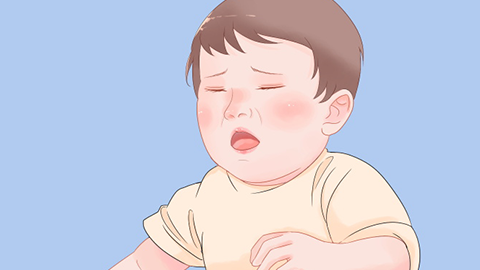
Consuming raw or cold foods can easily impair lung function—especially in young children whose bodies are still developing and therefore highly vulnerable. In children with existing bronchitis or bronchial discomfort, such dietary habits may lead to pulmonary obstruction and exacerbate the condition. While healthy newborns rarely develop complications, children suffering from malnutrition, congenital respiratory tract anomalies, immunodeficiency, chronic rhinopharyngitis, or rickets are not only more susceptible to bronchitis but also at higher risk for pneumonia, laryngitis, otitis media, and sinusitis.

Bronchitis is both a common and potentially serious illness in children. Untimely or inappropriate treatment can cause significant distress and trigger various complications. We hope this information proves helpful to you.



