


What are the techniques and areas for infant massage?
Dec 12, 2025
Source: Cainiu Health

Dr. Sun Lianqing
Introduction
Commonly used massage techniques for infants and young children include stroking, kneading, pressing, pushing, and spinal pinching. Recommended areas for massage generally include the abdomen, back, hands, feet, and face. Using the palm or pads of the fingers, gently touch the infant's skin with smooth, slow gliding movements. These gentle and soothing motions can stimulate cutaneous sensory development and enhance parent-child bonding, and are suitable for all parts of the body.
Commonly used massage techniques for infants and young children include stroking, kneading, pressing, pushing, and spinal捏 (spinal pinching), among others. Recommended areas for massage generally include the abdomen, back, hands, feet, and face. A detailed explanation is as follows:
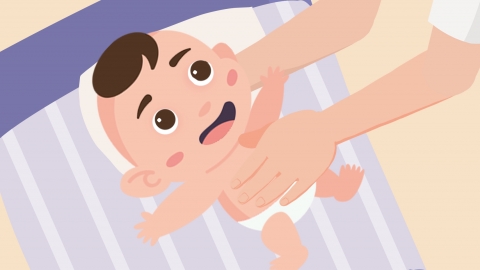
I. Massage Techniques
1. Stroking Technique: Gently glide the palm or fingertips over the infant’s skin with smooth, slow movements. This soft and soothing technique stimulates skin sensory development and enhances parent-child bonding. It can be applied to all body parts and is especially suitable for newborns.
2. Kneading Technique: Using the pads of fingers or palm, perform gentle clockwise or counterclockwise circular motions on the infant’s skin. Apply mild to moderate pressure to promote local blood circulation and relieve muscle tension. Commonly used on the abdomen and back.
3. Pressing Technique: Use the fingertip pad to apply vertical pressure on specific areas of the infant’s body, then gently release. Repeat this motion. Pressure should be gentle—avoid excessive force. This technique stimulates acupoints and helps regulate bodily functions, particularly effective on concentrated acupoint areas such as hands and feet.
4. Pushing Technique: Use the palm or fingertips to make continuous, straight-line strokes along a specific direction on the infant’s body. Movements should be smooth and steady. This method helps unblock meridians, promote qi and blood flow, and relieve physical discomfort. Commonly applied to the back and limbs.
5. Spinal Pinching Technique: Use the thumb, index, and middle fingers to grasp the skin on both sides of the infant’s spine, starting from the base near the coccyx and gently pinching upward toward the neck, then slowly releasing. Repeat the process. The pressure should be sufficient to cause slight reddening of the skin. This technique helps regulate spleen and stomach functions and strengthen constitution, best suited for slightly older infants.
II. Massage Areas
1. Abdomen: Massage around the navel as the center, avoiding direct contact with the navel itself. Gentle abdominal massage promotes intestinal motility, relieves bloating and constipation, improves appetite, and regulates digestive function.
2. Back: Covers the spinal column and surrounding muscle areas, with emphasis on both sides of the spine. Helps relax back muscles, improve blood circulation, boost immunity, and may also aid in improving sleep quality.
3. Hands: Includes palms, backs of hands, and finger joints. Fingers can be gently moved during massage. Stimulates nerve development in the hands, improves hand dexterity, and indirectly regulates overall body functions through hand acupoints.
4. Feet: Encompasses soles, heels, and toes. Infants’ feet contain numerous acupoints. Gentle foot massage promotes blood circulation in the feet, stimulates sensory development, aids sleep, and increases overall comfort.
5. Face: Includes forehead, cheeks, and chin. Movements must be extremely gentle. Helps relax facial muscles, enhance facial blood circulation, increase infant comfort, and support sensory development through interactive touch.
Massage should be suspended if the infant has broken skin, redness, swelling, or is unwell. A mild baby moisturizing oil may be used during massage to reduce friction. If the infant shows signs of persistent crying or discomfort during the session, stop immediately.






