What should I do about acne on my forehead?
Aug 06, 2022
Source: Cainiu Health

Dr. Liu Wan
Introduction
After acne appears on the forehead, keep the skin in that area clean. You may use a facial cleanser or sulfur lotion to cleanse the pores. Pay attention to improvements: trim your bangs regularly to prevent hair from obstructing and clogging pores; avoid using heavy, particle-laden cosmetics such as foundation, which can block pores and worsen acne. Also, avoid spicy and irritating foods—especially fried and greasy items—and limit intake of sweets.
Acne on the forehead is commonly triggered by excessive anger. It may also arise from minor issues, and forehead acne can negatively affect both skin health and appearance. So, what should one do if acne develops on the forehead?
What to Do for Forehead Acne
After acne appears on the forehead, it’s essential to maintain cleanliness of the affected area. Use a gentle facial cleanser or sulfur-based lotion to thoroughly cleanse the pores. Pay attention to hair care—keep bangs trimmed short to prevent them from obstructing or clogging pores. Avoid using heavy, particle-laden cosmetics such as foundation, which can further block pores and exacerbate acne. Also, steer clear of spicy, stimulating foods—especially fried and greasy items—and limit intake of sweets, as these can increase sebaceous gland secretion, thereby worsening or triggering acne. Maintain regular sleep patterns—avoid staying up late—and keep your mood positive. Prevent constipation and treat any underlying gynecological conditions, all of which contribute beneficially to acne management and prevention. Clearly, effective acne treatment often requires both topical and systemic medications—for example, adapalene gel; in severe cases, oral medications may be necessary.

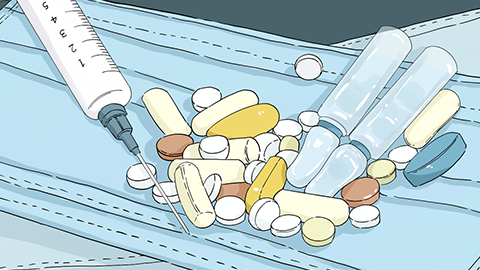
Acne treatment should be tailored according to its specific clinical presentation. If comedones (non-inflammatory lesions) predominate, topical retinoids—such as tretinoin cream or adapalene gel—are typically recommended under medical supervision. Combining these with comedone extraction (comedo removal) may enhance therapeutic outcomes. For inflammatory papules and pustules, anti-inflammatory antibiotics—including minocycline and doxycycline (both tetracycline-class agents)—may be prescribed orally, alongside topical fusidic acid or benzoyl peroxide gel. In cases of severe nodules and cysts, in addition to anti-inflammatory therapy, oral isotretinoin capsules are highly effective. When indicated, adjunctive photodynamic therapies—such as red or blue light irradiation—may also be considered. Furthermore, traditional Chinese medicine (TCM) and individualized herbal prescriptions offer additional therapeutic options.
Avoid smoking and alcohol consumption, maintain consistent daily routines, and refrain from late-night activities. Ensure a balanced diet incorporating both lean proteins and vegetables to support nutritional equilibrium, and engage regularly in outdoor physical activity. We hope this information proves helpful to you.