


Can angina pectoris cause myocardial infarction?
Aug 07, 2022
Source: Cainiu Health

Dr. Li Man
Introduction
If left untreated, angina pectoris may progress to myocardial infarction. Angina pectoris results from myocardial ischemia and hypoxia caused by coronary artery atherosclerosis and luminal stenosis, whereas myocardial infarction is characterized by ischemic necrosis of cardiomyocytes due to coronary artery thrombosis. Without active treatment, angina pectoris can lead to plaque injury and progressive worsening of stenosis.
Myocardial infarction (MI) poses a series of serious health risks. Without effective treatment, it can naturally lead to a cascade of complications—and may even result in sudden death. Therefore, it is essential to pay close attention in daily life and select appropriate therapeutic interventions. However, choosing the right treatment requires understanding how myocardial infarction develops. So, can angina pectoris lead to myocardial infarction?
Can angina pectoris lead to myocardial infarction?
If left untreated or inadequately managed, angina pectoris may progress to myocardial infarction. Angina arises from myocardial ischemia and hypoxia caused by coronary artery atherosclerosis and luminal narrowing; in contrast, myocardial infarction results from ischemic necrosis of cardiomyocytes due to coronary artery thrombosis. Without prompt and aggressive treatment, angina can cause plaque injury, progressively worsening stenosis. Platelets readily aggregate around damaged plaques, forming thrombi. As these thrombi expand, they may completely occlude the coronary artery, precipitating myocardial infarction.
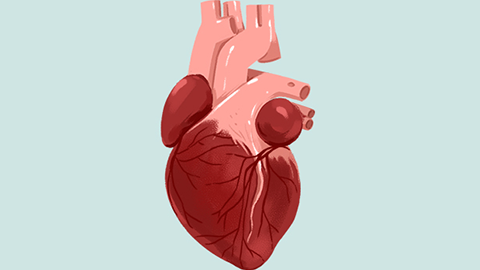
In clinical practice, angina pectoris is classified into stable and unstable types. Stable angina occurs on the basis of stable atherosclerotic plaques; episodes are relatively predictable and consistent, and acute myocardial infarction rarely develops. Nevertheless, under certain triggering factors—such as intense physical exertion, emotional stress, or acute infection—stable plaques may become unstable, thereby increasing the risk of MI. Unstable angina, by contrast, frequently progresses to acute myocardial infarction. Its pathogenesis primarily involves local instability of atherosclerotic plaques; on this unstable foundation, secondary thrombus formation readily occurs, leading to acute coronary occlusion and subsequent acute myocardial infarction. Thus, aggressive management of unstable angina is crucial to prevent acute myocardial infarction.

Patients are advised to adopt rational dietary modifications: total caloric intake should be controlled to maintain a healthy body weight. Overweight or obese individuals should further reduce their daily caloric intake, primarily by following a low-fat, low-cholesterol diet, while also limiting alcohol consumption and intake of sugary foods. We hope this information proves helpful to you.







