胃出血可以吃桃子吗
Aug 07, 2022
Source: Cainiu Health

Dr. Zhao Haiming
Introduction
胃出血可以吃桃子。桃子富含维生素、蛋白质、脂肪、碳水化合物、粗纤维、钙、磷、铁、胡萝卜素等。但如果是在胃出血期间,如吐血和血便,则不能吃桃子。需要空腹和静脉营养支持,Recommendation平时养成良好的Diet习惯。Diet应该清淡、柔软、易于消化。
Gastric bleeding is a common clinical condition and one of the most frequent gastric disorders. When patients develop this disease, they often experience numerous adverse symptoms; in severe cases, it may even endanger life. Therefore, prompt treatment is strongly recommended once the diagnosis is confirmed. During treatment, attention to personal dietary habits is essential. So, can patients with gastric bleeding eat peaches?
Can patients with gastric bleeding eat peaches?
Patients with gastric bleeding may consume peaches—provided they are not actively bleeding. Peaches are rich in vitamins, protein, fat, carbohydrates, dietary fiber, calcium, phosphorus, iron, and beta-carotene. However, during active gastric bleeding—such as when hematemesis (vomiting blood) or melena (blood in stool) occurs—peaches should be avoided entirely. In such cases, fasting and intravenous nutritional support are typically required. It is advisable to cultivate healthy eating habits in daily life: meals should be light, soft, and easily digestible. Avoid smoked, deep-fried, and barbecued foods.
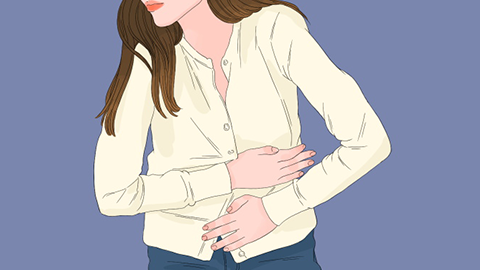
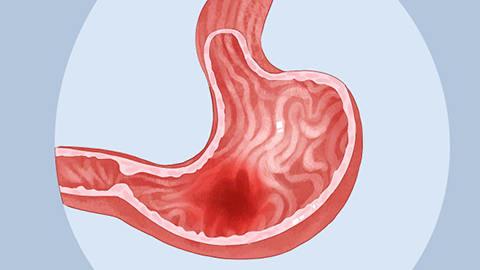
Gastric bleeding is one of the most hazardous conditions encountered in gastroenterology, carrying a relatively high mortality rate. If the patient’s clinical condition permits, urgent endoscopic evaluation should be performed to identify the underlying cause of bleeding. When indicated, minimally invasive endoscopic hemostasis may be carried out. Topical hemostatic agents can also be sprayed directly onto the bleeding site via endoscopy. Concurrently, comprehensive medical management—under physician supervision—includes acid-suppressing medications (e.g., proton pump inhibitors), gastric mucosal protectants, systemic hemostatic agents, fluid resuscitation, and electrolyte balance maintenance. Blood transfusion may be necessary in severe cases.
Avoid frequent late-night activity; ensure adequate, restful sleep and maintain overall healthy lifestyle habits. We hope this information proves helpful to you.