


How to Determine Whether You Have Bad Breath
Aug 08, 2022
Source: Cainiu Health

Dr. Zhang Liwen
Introduction
You can simultaneously pinch your nose and mouth shut and then exhale to easily assess whether you have halitosis. Specifically, first wash your hands thoroughly to ensure no residual odors remain. Then, gently lick the back of your hand with your tongue. After the saliva dries (within approximately 5 seconds), bring your nose close to the dried saliva spot and check for any unpleasant odor. This self-assessment method can help avoid the usual embarrassment associated with halitosis.
Halitosis (bad breath) is an embarrassing condition that many people experience. Sometimes, others unconsciously keep their distance, or well-meaning individuals may gently point it out. When you exhale, you may notice a persistent unpleasant odor—but no matter how you breathe, you cannot detect it through your own nose. So how can you determine whether you have halitosis?
How to Self-Assess for Halitosis
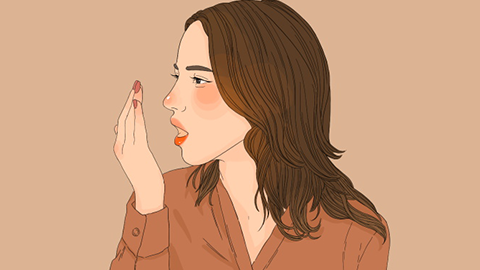
You can easily check for halitosis by covering both your nose and mouth simultaneously and then exhaling. A more specific method is as follows: First, wash your hands thoroughly to ensure no residual odors remain. Then, gently lick the back of your hand with your tongue. After approximately five seconds—once the saliva has dried—bring your nose close to the spot where saliva remains and inhale to detect any unpleasant odor. This self-check method helps avoid social embarrassment. Alternatively, use dental floss to clean between your teeth; if the floss acquires an odor distinct from its original scent, this may also indicate halitosis.
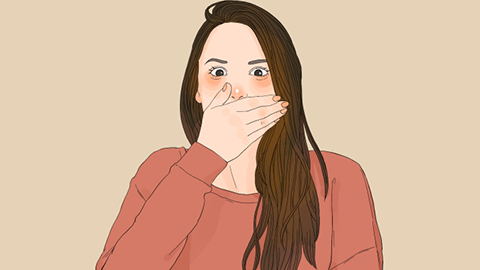
Of course, highly specialized diagnostic tools are also available—for instance, halitosis analyzers and gas chromatography. These methods provide precise, rapid quantification of volatile sulfur compounds (VSCs) in exhaled breath—the primary contributors to oral malodor. Another simple self-test involves covering your nose with your hand while breathing through your mouth, then quickly releasing your nose and sniffing the exhaled air for any odor.
In daily life, maintain regular, balanced eating habits: avoid spicy, pungent, or overly stimulating foods; refrain from overeating or binge eating; and ensure adequate rest—avoid staying up late. We hope this information proves helpful to you.


