Treatment of Radiation Proctitis
Aug 08, 2022
Source: Cainiu Health

Dr. Cheng Yicheng
Introduction
Treatment of radiation proctitis includes pharmacotherapy and endoscopic therapy. Pharmacotherapy is primarily administered via enema, with enema medications categorized as either traditional Chinese medicine (TCM) or Western medicine. TCM agents help protect the intestinal mucosa and control bleeding. Western medications may also be selected and have demonstrated certain therapeutic efficacy. For endoscopic therapy, argon plasma coagulation (APC) may be employed when pharmacotherapy is ineffective and bleeding is present.
Radiation proctitis refers to rectal complications that occur in patients with pelvic malignancies during or after radiotherapy. The rectal mucosa may develop erosion, ulcers, or bleeding. Clinically, patients present with abdominal pain, diarrhea, hematochezia, and mucopurulent bloody stools—symptoms that significantly impair quality of life. Based on the onset and duration, radiation proctitis is classified as either acute or chronic. So, what are the treatment options for radiation proctitis?
Treatment Options for Radiation Proctitis
Treatment of radiation proctitis includes pharmacotherapy and endoscopic interventions. Pharmacotherapy is primarily administered via enema, using either traditional Chinese medicine (TCM) or Western pharmaceuticals. TCM agents help protect the intestinal mucosa and control bleeding. Western medications are also effective in certain cases. For endoscopic management: if pharmacotherapy proves inadequate—particularly in cases involving active bleeding—argon plasma coagulation (APC) may be performed. Alternatively, when an endoscopic examination via the anus identifies a bleeding lesion, electrocoagulation can be applied directly to the bleeding site, effectively controlling hemorrhage associated with radiation proctitis.
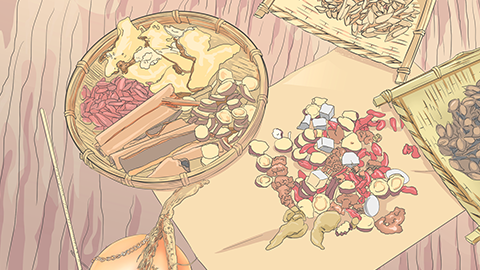
Because radiation-induced vascular abnormalities often render radiation proctitis difficult to treat, management is rarely achieved rapidly or with a single intervention. Typically, a combined approach—incorporating repeated enema therapy and endoscopic procedures—is required; only through such iterative, multimodal treatment can symptoms be adequately controlled.
Patients are advised to adopt healthy lifestyle habits and avoid spicy or irritating foods. We hope this information is helpful to you.