


How to treat bloody stool effectively
Nov 11, 2025
Source: Cainiu Health

Dr. Li Jingxiang
Introduction
Hematochezia (blood in stool) may be caused by consuming spicy and irritating foods, excessive straining due to constipation, hemorrhoids, ulcerative colitis, proctitis, etc. It can be improved through dietary adjustments, better bowel habits, and medication. If hematochezia occurs frequently or is accompanied by abdominal pain or dizziness, prompt medical attention is necessary. Spicy diet: Long-term consumption of spicy foods such as chili peppers and Sichuan pepper can irritate the intestinal mucosa, causing congestion.
Blood in the stool may be caused by spicy and irritating foods, excessive straining during bowel movements, hemorrhoids, ulcerative colitis, proctitis, etc. It can be improved through dietary adjustments, better bowel habits, and medication. If bloody stools occur frequently or are accompanied by abdominal pain or dizziness, prompt medical attention is necessary.
1. Spicy and irritating diet: Long-term consumption of spicy foods such as chili peppers and Sichuan peppercorns can irritate the intestinal mucosa, causing congestion. During defecation, the mucosa may become damaged and bleed, typically resulting in bright red blood. It is recommended to adjust the diet to be lighter, consume more vegetables, and reduce intake of spicy foods.
2. Excessive straining during bowel movements: Hard, dry stools can lead to difficult defecation. Straining may cause anal skin tears or damage to the intestinal mucosa, resulting in bleeding and pain during bowel movements. It is advised to increase fluid intake, eat more whole grains, and use laxatives when necessary to relieve constipation.
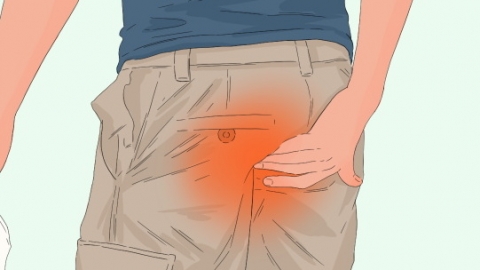
3. Hemorrhoids: Prolonged sitting or chronic constipation can cause varicose enlargement of the perianal venous plexus, forming hemorrhoids. Friction during bowel movements may rupture the hemorrhoidal tissue, leading to bright red bleeding that does not mix with feces. It is recommended to use medications such as Ma Yinglong Musk Hemorrhoid Ointment, Guan Tai Suppositories, or Huaijiao Pills under medical guidance to alleviate symptoms.
4. Ulcerative colitis: Abnormal immune responses in the intestine cause ulcers in the colonic mucosa. Bleeding from ulcerated areas results in bloody stools, often accompanied by mucus in the stool, abdominal pain, and diarrhea. Medications such as mesalamine enteric-coated tablets, sulfasalazine enteric-coated tablets, or prednisolone tablets should be used under medical supervision to manage symptoms.
5. Proctitis: Inflammation of the rectal mucosa caused by bacterial or viral infections, foreign body irritation, etc., leads to congestion and bleeding due to inflammatory stimulation. Blood in the stool is often mixed with mucus (mucopurulent bloody stool), accompanied by tenesmus (a feeling of incomplete evacuation). Follow medical advice to use medications such as norfloxacin capsules, compound berberine tablets, or Kangfuxin liquid to improve symptoms.
Daily care includes maintaining a light diet rich in fruits and vegetables, developing regular bowel habits, avoiding prolonged sitting, keeping the perianal area clean, and engaging in moderate physical activity to enhance intestinal function.






