


What are the symptoms of cerebral infarction with atrophy?
Aug 09, 2022
Source: Cainiu Health

Dr. Li Man
Introduction
Symptoms of cerebral infarction-related brain atrophy include dizziness and limb numbness. In patients with cerebral infarction, brain atrophy can lead to narrowing of cerebral blood vessels, resulting in insufficient cerebral blood supply and subsequent dizziness. Following dizziness, patients typically need to sit down and rest to prevent falls and associated physical discomfort. Limb numbness may arise from atrophy secondary to cerebral infarction located in the internal capsule, thereby causing sensory disturbances in the limbs.
Cerebral infarction and cerebellar atrophy are commonly caused by delayed cerebral blood supply following a stroke, leading to ischemia, hypoxia, cerebellar atrophy, and reduced brain volume. This condition predominantly affects elderly individuals; family members can provide better care by recognizing the patient’s associated symptoms. So, what symptoms does cerebral infarction-related atrophy present?
What Symptoms Does Cerebral Infarction-Related Atrophy Cause?
Symptoms of cerebral infarction-related atrophy include dizziness and limb numbness. Cerebral atrophy secondary to infarction may cause narrowing of cerebral blood vessels, resulting in insufficient cerebral perfusion and subsequent dizziness. After experiencing dizziness, patients typically need to sit down and rest to prevent falls and related physical discomfort. Limb numbness may arise from atrophy due to infarction located in the internal capsule. Moreover, symptom presentation varies depending on the specific brain region affected by infarction-related atrophy.

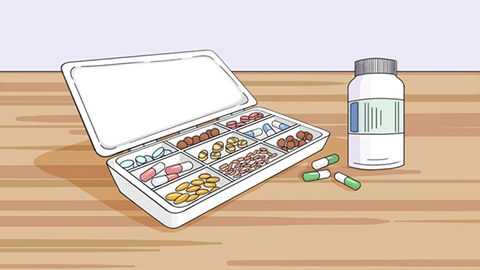
Cerebral infarction-related atrophy can be managed with pharmacotherapy. Treatment options may include medications that improve cerebral circulation, vasodilators for cerebral vessels, and neurotrophic agents. Examples include nimodipine, vitamin B6, vitamin B1, mecobalamin, and gangliosides—all of which can be highly beneficial in managing this condition.
Patients are advised to maintain a varied diet, incorporating seasonal vegetables and fruits to ensure adequate intake of essential trace elements. We hope this information proves helpful.







