


How is pulmonary tuberculosis diagnosed?
Aug 10, 2022
Source: Cainiu Health

Dr. Guo Xiheng
Introduction
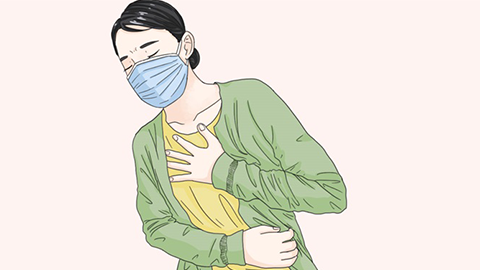
Pulmonary tuberculosis can be definitively diagnosed using chest X-ray or chest CT imaging. It is caused by infection with *Mycobacterium tuberculosis* and presents with various symptoms. Common manifestations include classic systemic symptoms such as low-grade fever, fatigue, and night sweats, as well as respiratory symptoms including cough, sputum production, and hemoptysis—these may be detected clinically. Individuals exhibiting suspected tuberculosis symptoms require diagnostic evaluation. This is especially important if such symptoms persist year-round.
Tuberculosis (TB) can significantly impact daily life, and patients often experience various symptoms—more severe manifestations may substantially impair quality of life. Therefore, timely evaluation upon suspicion of TB yields optimal outcomes. Pulmonary tuberculosis presents with characteristic clinical features. So, how is pulmonary tuberculosis diagnosed?
How Is Pulmonary Tuberculosis Diagnosed?
Pulmonary tuberculosis can be definitively diagnosed using chest radiography or chest computed tomography (CT). It results from infection with *Mycobacterium tuberculosis* and manifests with a range of symptoms. Common systemic symptoms include low-grade fever, fatigue, and night sweats; respiratory symptoms such as cough, sputum production, and hemoptysis are also frequently observed. When TB is suspected clinically, diagnostic evaluation is essential. If such symptoms persist year-round, individuals should seek medical evaluation—including chest imaging—and sputum testing, which provides critical confirmatory evidence. A definitive diagnosis of pulmonary tuberculosis is established when chest X-ray reveals characteristic TB lesions *and* sputum examination identifies acid-fast bacilli (AFB) or *M. tuberculosis* via culture or molecular testing (e.g., nucleic acid amplification tests), with positive results.

Health education initiatives should be strengthened to raise awareness among young people regarding the hazards and transmission routes of TB. Individuals should cultivate healthy habits—particularly avoiding spitting in public places—and ensure that sputum from TB patients is either incinerated or disinfected with appropriate agents. Routine health screenings for adolescents are recommended to facilitate early detection, isolation, and treatment. Furthermore, medical education networks must ensure timely administration and documentation of the Bacillus Calmette–Guérin (BCG) vaccine in infants and young children to promote protective immunity and reduce TB incidence.
In daily life, maintaining sound lifestyle and dietary habits is essential. We hope this information proves helpful to you.


