Is splenomegaly a precursor to liver cirrhosis?
Aug 10, 2022
Source: Cainiu Health

Dr. Zhou Chao
Introduction
In general, splenomegaly is an early sign of liver cirrhosis. Hepatic hardening, hepatocyte hyperplasia, and the formation of pseudolobules may lead to increased portal venous pressure, impair collateral circulation within the portal system, obstruct splenic venous return, and cause progressive accumulation of blood within the spleen—resulting in splenomegaly and, ultimately, liver cirrhosis.
Splenomegaly, in general, cannot be equated with cirrhosis. Some cases of splenomegaly are not caused by cirrhosis. As the disease progresses, certain patients with hepatitis may develop cirrhosis, secondary portal hypertension, splenomegaly, and hypersplenism. Although cirrhosis and splenomegaly are associated, is splenomegaly a precursor to cirrhosis?
Is Splenomegaly a Precursor to Cirrhosis?
In most cases, splenomegaly is indeed an early indicator—or precursor—of cirrhosis. A detailed explanation follows:
Cirrhosis is a chronic, progressive, and diffuse liver disorder resulting from various etiologies. Potential causes include chronic alcoholic liver disease, non-alcoholic fatty liver disease (NAFLD), autoimmune hepatitis, schistosomiasis, and Wilson’s disease (hepatolenticular degeneration). Patients may present with mild fatigue, abdominal distension, mild jaundice, palmar erythema, and spider angiomas. When hepatic parenchyma becomes fibrotic and hardened, hepatocyte regeneration occurs alongside formation of regenerative nodules surrounded by fibrous septa (i.e., pseudolobules), leading to increased portal venous pressure. This impairs collateral circulation within the portal system, obstructing splenic venous return. Consequently, blood accumulates progressively within the spleen, resulting in splenomegaly—and ultimately contributing to the development or progression of cirrhosis. Therefore, splenomegaly can serve as an early warning sign of cirrhosis.
If splenomegaly is detected, patients should consult their physician for appropriate management. Treatment may include medications such as phenoxymethylpenicillin potassium tablets or sodium oxacillin for injection, as prescribed. Additionally, patients should ensure adequate rest, balance work and leisure, maintain an optimistic outlook, avoid staying up late, and eliminate unhealthy lifestyle habits.
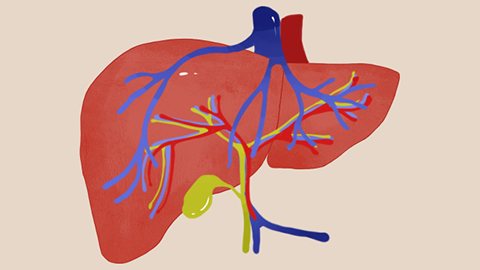
We hope this response has been helpful.