


How many days does it take for appendicitis to improve with injection therapy?
Aug 10, 2022
Source: Cainiu Health

Dr. Zhao Haiming
Introduction
Appendicitis typically improves within 3 to 4 days with injectable (intravenous or intramuscular) antibiotic therapy. The classic symptom of appendicitis is migratory pain in the right lower quadrant of the abdomen: the pain initially begins in the upper abdomen and gradually shifts to the right lower quadrant over time, progressively worsening in intensity. If complications such as suppuration, gangrene, or appendiceal perforation occur, the patient may develop diffuse abdominal pain accompanied by fever, diarrhea, and vomiting.
The appendix is a slender, tubular structure whose proximal end connects to the cecum. Once obstructed, secretions within its lumen accumulate, leading to increased intraluminal pressure that compresses the appendiceal wall and impairs blood supply to its distal portion. Gastrointestinal dysfunction, diarrhea, constipation, and other factors may also cause mucosal injury. So, how many days of injection therapy are needed for appendicitis to resolve?
How Many Days of Injection Therapy Are Needed for Appendicitis to Resolve?
With injection therapy, appendicitis typically resolves within 3–4 days. The classic symptom of appendicitis is migratory right lower quadrant abdominal pain: pain initially begins in the upper abdomen and gradually shifts to the right lower quadrant over time, progressively worsening in intensity. If suppuration, gangrene, or perforation occurs, diffuse abdominal pain may develop, often accompanied by fever, diarrhea, vomiting, and other systemic symptoms. Diagnosis of appendicitis primarily relies on color Doppler ultrasound of the appendix, CT imaging, or routine blood tests. For mild cases, conservative treatment is appropriate—typically involving intravenous administration of cephalosporin antibiotics combined with metronidazole, with infusion lasting generally 5–7 days.
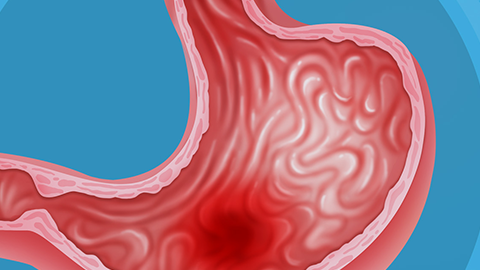
During treatment, patients should avoid strenuous physical activity. Regarding diet, alcohol and alcoholic beverages must be strictly avoided; spicy, irritating, greasy, and hard-to-digest foods should also be excluded. Light, easily digestible meals may be consumed in moderation. Since patients with appendicitis commonly experience significant abdominal pain, adopting an appropriate lying position can effectively alleviate symptoms.

In daily life, cultivating healthy lifestyle and dietary habits is essential. We hope this information proves helpful to you.






