


Drinking coffee causes dry heaving.
Aug 11, 2022
Source: Cainiu Health

Dr. Zhao Haiming
Introduction
Coffee-induced dry heaving can be alleviated by avoiding coffee on an empty stomach, diluting the coffee, and managing underlying gastrointestinal disorders. It is advisable to avoid drinking coffee on an empty stomach, as coffee is more irritating under fasting conditions and may trigger abdominal pain, nausea, and other symptoms; therefore, it is recommended to consume coffee after meals. If abdominal pain is absent, diluting the coffee with water may help reduce its concentration.
Feeling nauseous or vomiting after drinking coffee may be due to poor gastrointestinal health or consuming coffee on an empty stomach. So, what about dry heaving after drinking coffee?
Dry Heaving After Drinking Coffee
Dry heaving after drinking coffee can be alleviated by avoiding coffee consumption on an empty stomach, diluting the coffee concentration, and managing underlying gastrointestinal disorders. It is advisable to avoid drinking coffee on an empty stomach, as coffee exerts greater irritant effects under fasting conditions—potentially triggering abdominal pain, nausea, and other symptoms; therefore, it is recommended to consume coffee after meals. If abdominal pain is absent, diluting the coffee with water may help reduce its irritant effect. For individuals with gastrointestinal diseases, coffee can damage the gastric mucosa and cause mucosal edema; thus, coffee intake should be avoided. Concurrently, oral administration of acid-suppressing agents and gastric mucosal protectants may be considered.

The primary causes of dry heaving after coffee consumption include acute infection and coffee intolerance. Bacterial contamination or excessive coldness of the coffee may provoke gastrointestinal reactions—including nausea and vomiting—which are typically transient. Such symptoms usually do not recur upon subsequent coffee consumption. Patients should avoid unhygienic food and overly stimulating foods, which generally prevents symptom recurrence. Some individuals experience severe abdominal pain following coffee intake, accompanied by nausea, vomiting, and diarrhea—commonly attributable to intolerance to a specific coffee component and/or increased gastrointestinal motility. In such cases, patients are typically advised to avoid coffee entirely to prevent symptom recurrence.
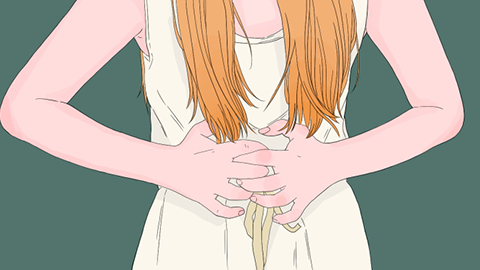
For individuals experiencing dry heaving after coffee consumption, it is essential to avoid drinking coffee on an empty stomach and to refrain from coffee altogether if suffering from gastrointestinal disease. We hope this information proves helpful to you.










