


What should I do if I frequently experience nosebleeds due to “excessive internal heat”?
Aug 11, 2022
Source: Cainiu Health

Dr. Xu Gang
Introduction
Frequent nosebleeds caused by “excessive internal heat” (a traditional Chinese medicine concept) can be managed using methods such as rinsing the nasal passages with water and raising both arms. After a nosebleed occurs, first rinse the nasal cavity with water to remove blood clots, then gently pinch both nostrils shut. Bleeding usually stops within several minutes. After rinsing, you may also use a sterile gauze pad or cotton ball to gently pack the nostrils; remove it once bleeding has completely ceased. Avoid sneezing while the nose is still bleeding, and refrain from forceful nose-blowing until bleeding has fully stopped.
As the weather becomes drier, people’s irritability tends to increase, and nosebleeds (epistaxis) become more common. Many individuals are puzzled by nosebleeds, wondering why blood suddenly begins to flow spontaneously. They often feel frightened and unsure of how to respond—sometimes resorting only to covering their nose with their hands. So, what should one do if nosebleeds occur frequently due to “excess internal heat” (a traditional Chinese medicine concept)?
What to Do for Frequent Nosebleeds Caused by “Excess Internal Heat”
Frequent nosebleeds attributed to “excess internal heat” can be managed using simple first-aid measures such as nasal irrigation with water and raising the arms. After a nosebleed begins, gently rinse the nasal cavity with cool water to remove clotted blood, then apply firm, gentle pressure to both nostrils with your fingers or a clean tissue. Bleeding usually stops within several minutes. Following irrigation, you may also insert sterile gauze or cotton pledgets into the affected nostril(s) to help control bleeding; remove them only once bleeding has completely ceased. Avoid sneezing while the nose is still bleeding. If bleeding originates from the left nostril, raise your right arm; if from the right nostril, raise your left arm. Maintain this position for several minutes until bleeding stops. Note: For this technique to be effective, the raised arm must be held above the level of the head—otherwise, it will have no beneficial effect.
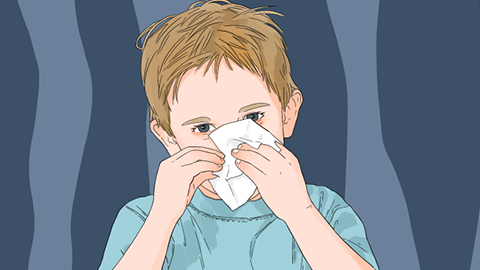
Nosebleeds may result from various causes, including infection or the presence of foreign bodies. As widely recognized, rhinitis is a particularly troublesome chronic inflammatory condition. One of the common symptoms experienced by patients with chronic rhinitis is recurrent epistaxis. Additionally, certain infectious diseases—including syphilis, leprosy, and tuberculosis—can involve the nasal mucosa and trigger nosebleeds. Nasal foreign bodies are another frequent cause of epistaxis, especially among children, who often neglect proper nasal hygiene. Consequently, small objects may inadvertently enter the nasal passages. If a foreign body remains lodged in the nasal cavity for an extended period, it may lead to mucosal erosion and bleeding—often resulting in profuse, recurrent epistaxis.
Patients are advised to maintain good nasal hygiene and take prescribed medications under the guidance of a healthcare professional. We hope this information proves helpful.





