


What are the causes of recurrent, uncontrolled nosebleeds?
Aug 11, 2022
Source: Cainiu Health

Dr. Xu Gang
Introduction
Frequent, uncontrollable nosebleeds may be caused by conditions such as rhinitis or cardiovascular disease. Today, many people suffer from rhinitis. During a rhinitis flare-up, the nasal cavity becomes infected. The nasal mucosa is invaded by inflammation, leading to pathological changes and damage to blood vessels within the nose, thereby causing epistaxis. Moreover, persistent inflammatory stimulation significantly impairs blood coagulation, resulting in intractable bleeding.
Many people have experienced epistaxis (nosebleeds), such as during emotional outbursts or after nasal trauma. In most cases, nosebleeds can be easily controlled and do not significantly affect the patient. However, in clinical practice, some patients experience persistent or recurrent epistaxis that fails to stop spontaneously. What, then, are the underlying causes of recurrent, uncontrollable nosebleeds?
Causes of Recurrent, Uncontrollable Nosebleeds
Recurrent, uncontrollable epistaxis may stem from conditions such as rhinitis or cardiovascular diseases. Rhinitis is highly prevalent today; during active episodes, the nasal cavity becomes infected. Nasal mucosa becomes inflamed, leading to pathological changes and damage to intranasal blood vessels—resulting in epistaxis. Moreover, chronic inflammation continuously disrupts normal hemostasis, impairing coagulation and thereby contributing to intractable bleeding. Cardiovascular disorders—including hypertension and other conditions associated with elevated arterial pressure—can also cause refractory epistaxis. These diseases increase local capillary pressure within the nasal cavity, predisposing vessels to rupture and bleeding. If left uncontrolled, persistent hypertension further compromises coagulation function, perpetuating unmanageable epistaxis.
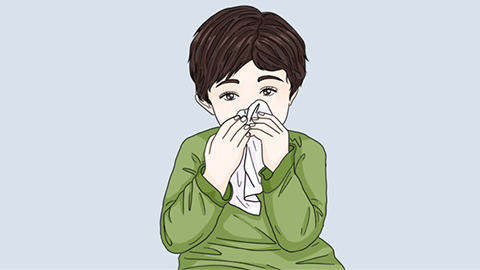
Recurrent epistaxis should always be treated as a medical emergency. Patients must seek immediate hospital care for hemostatic intervention, as prolonged bleeding may precipitate hypovolemic shock. As an initial first-aid measure, apply firm, continuous pressure to the anterior nasal septum (the most common site of bleeding) for 5–10 minutes. Additionally, applying cold compresses or ice packs to the forehead and submandibular region may help constrict blood vessels and reduce bleeding. For hospitalized patients with severe epistaxis, nasal packing remains the primary hemostatic method. Options include petrolatum-impregnated gauze or hemostatic sponges; intravenous administration of hemostatic agents may also be indicated.
For daily prevention, it is advisable to consume ample fruits and vegetables, maintain adequate hydration, limit intake of “heat-inducing” (i.e., pro-inflammatory or spicy) foods, and engage in moderate physical exercise. We hope this information proves helpful.



