


Which acupuncture points should be selected for treating synovitis?
Aug 11, 2022
Source: Cainiu Health

Dr. Lin Yunfei
Introduction
For synovitis, acupuncture typically targets the following acupoints: Futu (ST32), Zusanli (ST36), Sanyinjiao (SP6), and Xuehai (SP10). In mild cases of synovitis, the primary symptom is joint pain; joint swelling is generally not prominent, though a small number of patients may experience slight swelling and crepitus (a squeaking or grating sound) during walking. In severe cases, patients present with marked joint swelling and pain.
Although synovitis is not the most severe joint disorder, it is nonetheless a harmful condition. In addition to standard medical treatment, lifestyle and daily care play a crucial role in managing synovitis. Even though patients with synovitis require supportive care, such care must be tailored according to individual physical constitution.
Which acupuncture points are used for synovitis?
Acupuncture for synovitis commonly targets the following points: Futu (ST32), Zusanli (ST36), Sanyinjiao (SP6), and Xuehai (SP10). In mild cases of synovitis, the predominant symptom is joint pain, while joint swelling is generally minimal or absent; only a few patients may experience slight swelling, and some may hear crepitus (a cracking or grinding sound) during walking. In more severe cases, prominent joint swelling and pain become the main symptoms. In advanced stages, patients may become unable to walk and may develop joint effusion, osteophytes (bone spurs), or loose bodies within the joint.
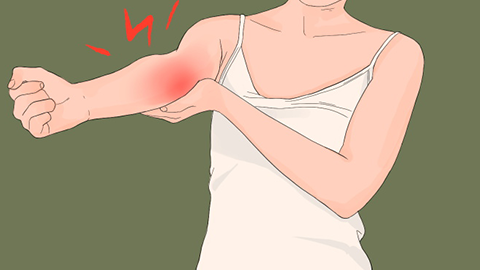
For knee joints, maintaining warmth is especially important. Patients with synovitis and associated pain should wear knee braces or warm knee supports during winter. If sweating occurs, the area should be promptly dried. Prolonged, uninterrupted work without rest is detrimental to health—even for healthy individuals—let alone for those with synovitis. Patients must avoid overexertion and trauma. Furthermore, adequate rest is vital for synovitis recovery. For example, travelers should prioritize rest. Individuals with a history of knee pain should avoid mountain climbing whenever possible, thereby minimizing risk factors for knee injury and pain.
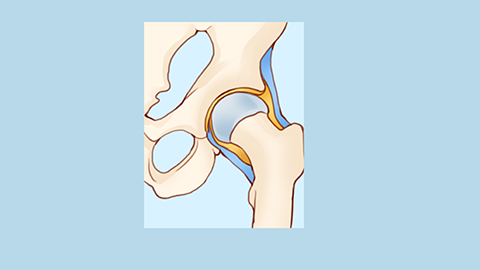
In daily life, patients should maintain a positive attitude, actively cooperate with their physicians’ treatment plans, take prescribed medications on time and in correct dosages, and diligently adhere to routine self-care measures—thus facilitating prompt improvement of their condition. We hope this information proves helpful.





