


What are the acupuncture points for dizziness?
Dec 23, 2024
Source: Cainiu Health

Dr. Zhang Xiuhong
Introduction
In general, acupuncture points commonly used for treating dizziness include Baihui (GV20), Sishencong (EX-HN1), Shenting (GV24), Taiyang (EX-HN5), and Fengchi (GB20). It is advisable to eat fresh, light, and easily digestible foods such as vegetables, fruits, and whole grains to maintain a balanced nutrition. Additionally, engaging in moderate aerobic exercises such as jogging, walking, or yoga is recommended to promote blood circulation and help prevent headaches.
Generally, acupuncture points for treating dizziness include the Baihui (GV20), Sishencong (EX-HN1), Shenting (GV24), Taiyang (EX-HN5), and Fengchi (GB20) points. A detailed explanation is as follows:
1. Baihui Point (GV20)
Located at the very top center of the head, the Baihui point is where the body's yang energy converges. It functions to unblock meridians, regulate qi and blood circulation, dispel wind, and relieve dizziness. Acupuncture at the Baihui point can stimulate brain nerves and improve cerebral blood circulation, thereby effectively alleviating symptoms of dizziness.
2. Sishencong Points (EX-HN1)
The Sishencong points are located one cun anterior, posterior, left, and right to the Baihui point. Acupuncture at these points enhances blood and qi supply to the head, improves cerebral blood circulation, and thus alleviates symptoms such as dizziness and headache.
3. Shenting Point (GV24)
Located 0.5 cun directly above the midpoint of the anterior hairline, the Shenting point is an important point on the Governor Vessel (Du Meridian). It has functions of calming the mind, relieving mental tension, and awakening the brain. Acupuncture at this point helps regulate neural activity in the brain and improves sleep quality, thus alleviating dizziness caused by sleep deprivation and neurasthenia.
4. Taiyang Point (EX-HN5)
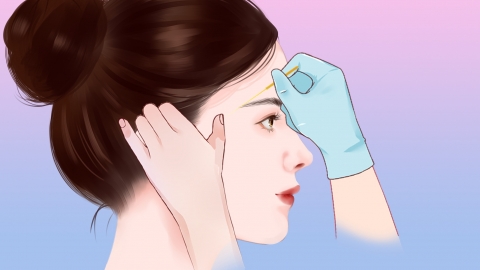
Located in the depression about one finger's breadth posterior to the point between the lateral end of the eyebrow and the outer canthus, the Taiyang point is one of the important points on the head. Acupuncture at this point can alleviate headache and migraine, and also effectively relieve dizziness caused by mental tension and anxiety.
5. Fengchi Point (GB20)
Located in the nape area, in the depression between the base of the skull (枕骨, occipital bone) and the Fengfu point (GV16), between the upper part of the sternocleidomastoid and trapezius muscles, acupuncture at the Fengchi point can dispel wind, relieve exterior symptoms, alleviate neck pain, and improve blood circulation in the neck region. This helps relieve dizziness caused by cervical spondylosis or neck stiffness.
In daily life, it is advisable to eat more fresh, light, and easily digestible foods such as vegetables, fruits, and whole grains to maintain a balanced nutrition. Additionally, engaging in moderate aerobic exercises such as jogging, walking, or yoga can help promote blood circulation, reduce stress, and prevent headaches.




