


脚后跟骨质增生What to do
Aug 11, 2022
Source: Cainiu Health

Dr. Lin Yunfei
Introduction
脚后跟骨质增生可以通过MedicineTreatment、使用软膏、外科Treatment等缓解。平时,Patient应注意减轻足部压力。可以在Doctor的指导下服用一些西药来减轻炎症和疼痛,但这并不是一种彻底的TreatmentMethod,可以缩短用药时间并减少Side Effects。Patient也可以使用红花泡沫足部。
Heel bone spurs (calcaneal osteophytes) are more commonly seen in middle-aged and elderly individuals. This condition is primarily associated with aging, which leads to significant wear and tear of the foot structures. To achieve effective symptom relief, active treatment is essential; otherwise, pain may worsen progressively. So, what should one do about heel bone spurs?
What to Do About Heel Bone Spurs
Heel bone spurs can be managed through pharmacological therapy, topical ointments, and, in some cases, surgical intervention. Patients should also take steps in daily life to reduce pressure on the feet. Under a physician’s guidance, certain Western medications may be prescribed to alleviate inflammation and pain—though this approach offers only symptomatic relief rather than a definitive cure. Short-term use is recommended to minimize potential side effects. Additionally, patients may apply safflower-based foot-soaking solutions, which help promote local blood circulation. Topical ointments are another viable option for treating calcaneal osteophytes; these formulations penetrate the skin effectively to exert anti-inflammatory and analgesic effects, while also promoting blood circulation and resolving blood stasis.
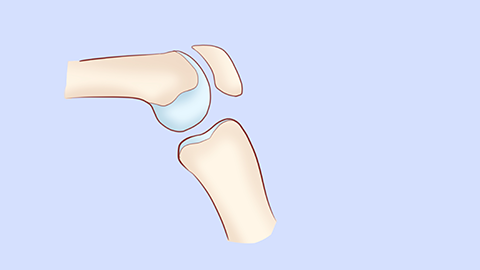
In cases of severe bone spurs unresponsive to conservative management, surgical treatment may be considered. Surgery aims to remove the bony overgrowth; however, patients must remain aware of the risk of recurrence postoperatively. Therefore, diligent postoperative care and protective measures in daily life are crucial for all patients. We recommend that patients adopt such comprehensive therapeutic strategies as part of their long-term management plan.
In daily life, patients should maintain a positive mindset, actively cooperate with their physicians, adhere strictly to prescribed medication regimens (both in dosage and timing), and pay close attention to routine self-care—thereby facilitating prompt improvement of their condition. We hope this information proves helpful to you.


