


What Should You Do for a Sprained Ankle?
Aug 11, 2022
Source: Cainiu Health

Dr. Lin Yunfei
Introduction
What to Do After a Sprain Occurs:
For an ankle sprain, immediately stop all physical activity to prevent further or repeated injury. Once activity has ceased, apply an ice pack immediately if ice or an ice-water mixture is available. When applying ice, never place ice directly on the joint—instead, wrap the ice pack in a towel before applying it to the affected area. After icing, if possible, elevate the injured limb promptly; this helps reduce swelling and promotes faster resolution of edema.
Some individuals inadvertently sprain their ankle during daily activities, which can significantly impair normal walking. What should one do if an ankle sprain occurs?
What to Do for an Ankle Sprain
What to do immediately after a sprain occurs: Cease all physical activity immediately to prevent further or repeated injury. Once activity has stopped, apply an ice pack right away if ice or an ice-water mixture is available. When applying ice, never place ice cubes directly on the joint—instead, wrap the ice pack in a towel before applying it to the affected area. After icing, elevate the injured limb as soon as possible, if feasible; this helps reduce swelling and promotes resolution of edema, playing a crucial role in symptom relief.
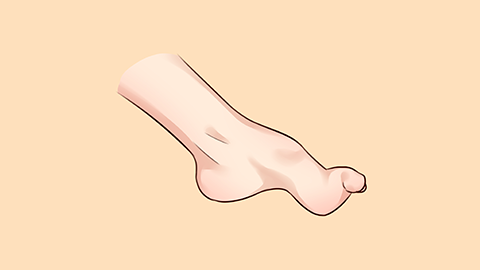
Appropriate immobilization and compression—using braces, splints, or casts—can also help minimize swelling. If you are uncertain about the severity of the ankle sprain or whether a fracture may be present, seek immediate medical attention at an emergency department rather than self-treating with various medications. Therefore, scientifically sound and standardized assessment and management are essential for ankle sprains. Common clinical manifestations of ankle sprains include intense pain on the lateral or medial side of the ankle. For instance, lateral collateral ligament sprains typically cause pain on the outer side of the ankle—this is the most common type of ankle sprain.

In contrast, medial collateral ligament sprains result in pain on the inner side of the ankle. Ankle sprains are often accompanied by localized swelling and subcutaneous ecchymosis (bruising). Due to pain and swelling, varying degrees of restricted ankle joint mobility commonly occur following an ankle sprain. We hope this information proves helpful!





