Functions and Effects of Bian Stone Gua Sha Boards
Aug 11, 2022
Source: Cainiu Health
Dr. Ding Yu
Introduction
The gua sha tool itself has no therapeutic effect. Therapeutic efficacy is achieved only after scraping the skin, which induces subcutaneous petechiae (ecchymosis). The material of the tool does not influence treatment outcomes. Gua sha can reduce fever and is indicated for conditions characterized by excess heat. Additionally, it can alleviate pain. For soft tissue injuries—such as pain in the neck, shoulders, or back caused by heat exposure—gua sha promotes blood circulation and resolves blood stasis.
Gua sha (scraping therapy) is widely practiced in daily life, and many people use it for health maintenance. What are the effects and benefits of a Bian stone gua sha board?
Effects and Benefits of a Bian Stone Gua Sha Board
A gua sha board made from Bian stone offers no special therapeutic effects. The board itself possesses no inherent curative properties. Therapeutic effects arise only after scraping the skin—specifically, when subcutaneous petechiae (minor bleeding under the skin) appear. The material composition of the board does not influence clinical efficacy. Gua sha can help reduce fever and is particularly suitable for conditions characterized by excess heat (“heat patterns”). Additionally, it may alleviate pain. For soft-tissue injuries or pain in the neck, shoulders, or back caused by heat exposure, gua sha promotes blood circulation and resolves blood stasis—but these effects are independent of the board’s material.
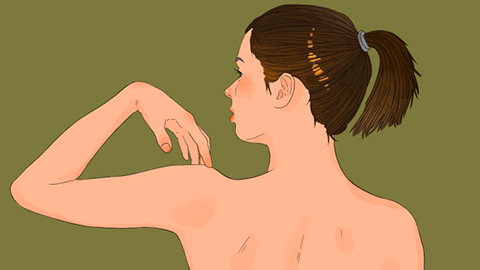
As a health-promoting modality, gua sha is especially beneficial for rehabilitation in painful conditions such as cervical spondylosis and periarthritis of the shoulder, as well as degenerative bone and joint disorders. It is also highly effective for respiratory conditions including common colds, fever, and cough. However, gua sha is not suitable for everyone and has specific contraindications—for example, individuals with severe cardiovascular or cerebrovascular diseases, impaired liver or kidney function, or generalized edema. In such cases, gua sha may increase the metabolic burden on the liver and kidneys, thereby exacerbating the underlying condition.
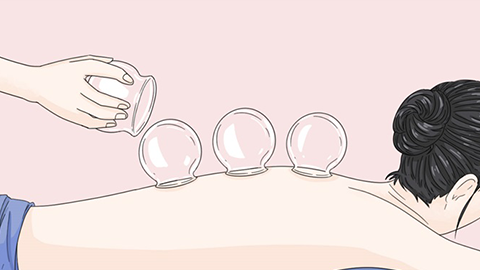
Pregnant women and women during menstruation should avoid traditional Chinese medicine (TCM) gua sha therapy. Gua sha is also contraindicated over areas of the skin with ulcers, rashes, or unexplained masses, as it may lead to wound infection or lesion spread. Patients with certain contact dermatoses should avoid gua sha, as should those with bleeding tendencies—such as individuals diagnosed with leukemia, aplastic anemia, or thrombocytopenia. We hope this information proves helpful to you!