


How to Differentiate Between Kidney Yang Deficiency and Kidney Yin Deficiency
Aug 11, 2022
Source: Cainiu Health

Dr. He Haochen
Introduction
Patients with Kidney Yang Deficiency are primarily characterized by Yang deficiency, whereas those with Kidney Yin Deficiency exhibit a constellation of deficient-heat symptoms. Kidney Yang Deficiency manifests as aversion to cold—particularly pronounced in winter. In males, it commonly presents with impotence, nocturnal emission, and premature ejaculation; in females, it may lead to uterine coldness with infertility, menstrual irregularities, and dysmenorrhea. In contrast, Kidney Yin Deficiency is characterized by a series of deficient-heat symptoms, primarily including dryness and insufficiency of the Shao Yin (Kidney) system, heat sensation in the palms, soles, and chest (“five-center heat”), and tidal fever.
Today’s fast-paced, high-stress society has led many people to develop unhealthy habits—such as staying up late, eating irregularly, and lacking physical exercise—resulting in an increasing prevalence of kidney deficiency (Shen Xu). When you suspect kidney deficiency, it is essential to determine whether it is kidney *yin* deficiency or kidney *yang* deficiency, so that targeted tonification can be applied. Do not supplement indiscriminately, as this may exacerbate symptoms. So how do you differentiate between kidney *yang* deficiency and kidney *yin* deficiency?
How to Differentiate Kidney *Yang* Deficiency from Kidney *Yin* Deficiency
Patients with kidney *yang* deficiency primarily exhibit signs of *yang* deficiency, whereas those with kidney *yin* deficiency display a constellation of “deficiency-heat” symptoms. Specifically, individuals with kidney *yang* deficiency often experience cold intolerance—especially during winter—as well as erectile dysfunction, premature ejaculation, or nocturnal emissions in men, and cold uterus, infertility, menstrual irregularities, or dysmenorrhea in women. In contrast, patients with kidney *yin* deficiency manifest deficiency-heat patterns, including dryness of the lesser yin (a TCM concept referring to the kidney and heart), five-center heat (i.e., heat sensation in the palms, soles, and chest), tidal fever, night sweats, insomnia, and vivid dreams. Men may present with excessive sexual desire and spontaneous erections, while women may experience scanty menstruation.
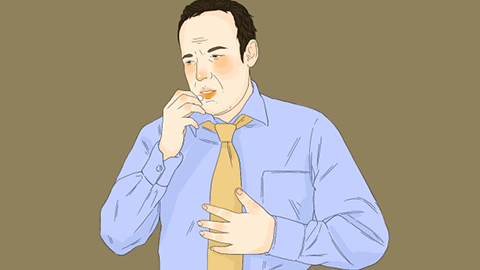
Kidney *yin* deficiency and kidney *yang* deficiency fall within the scope of Traditional Chinese Medicine (TCM) pattern differentiation and treatment. Diagnosis typically relies on pulse palpation and symptom assessment. Both conditions may present with low back and knee soreness and weakness—a shared manifestation reflecting underlying debility—and thus may be accompanied by adverse psychological states such as fatigue, lethargy, or emotional lability.
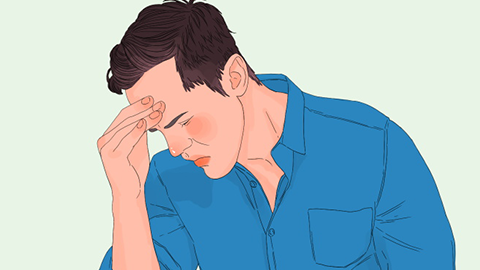
In daily life, patients should maintain a positive mindset, actively cooperate with their physicians’ treatment plans, take prescribed medications consistently and as directed, and pay attention to routine self-care—so as to promote timely improvement of their condition. We hope this explanation proves helpful to you.


