


Differences Between Tinnitus and Cerebral Tinnitus
Aug 12, 2022
Source: Cainiu Health

Dr. Xu Gang
Introduction
The fundamental difference between cephalic tinnitus (brain noise) and otic tinnitus (ear noise) lies in their perceived origin: cephalic tinnitus is perceived as originating within the brain, whereas otic tinnitus is perceived as originating within the ear. Cephalic tinnitus is often associated with functional disorders triggered by excessive mental tension or high stress levels. In contrast, otic tinnitus reflects auditory dysfunction and is typically experienced as a buzzing or ringing sound within the ear. Individuals experiencing cephalic tinnitus commonly become highly irritable, agitated, and prone to anger. Otic tinnitus is frequently linked to excessive fatigue.
We frequently hear about tinnitus in daily life, yet remain largely unfamiliar with “brain ringing” (cerebral tinnitus). Some individuals even mistakenly assume that tinnitus and cerebral tinnitus are the same condition. So, what distinguishes tinnitus from cerebral tinnitus?
Differences Between Tinnitus and Cerebral Tinnitus
The fundamental distinction lies in the perceived location of the sound: cerebral tinnitus originates within the brain, whereas tinnitus arises within the ear. Cerebral tinnitus is often associated with functional disorders triggered by excessive mental tension or high stress levels. In contrast, tinnitus reflects auditory dysfunction, typically manifesting as a buzzing or humming sound perceived within the ear. Individuals experiencing cerebral tinnitus commonly report heightened irritability, agitation, and a short temper. Tinnitus, on the other hand, is frequently linked to physical exhaustion.
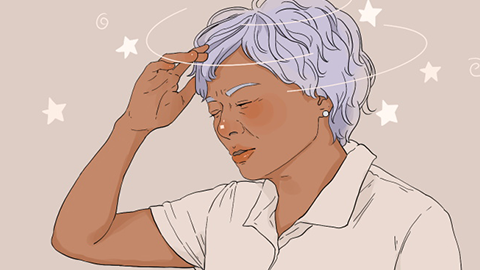
Tinnitus may result from factors such as internal heat (“fire”), otitis media, or fatigue. Cerebral tinnitus, however, may signal more serious underlying conditions—including cerebrovascular disease, cerebral hypoperfusion, cerebral arterial stenosis, cerebral vasospasm, or neuropathic pain. Therefore, following an accurate diagnosis, targeted examinations and appropriate treatment are essential. When caused by inflammatory conditions related to internal heat, the issue is generally mild and can be effectively managed with anti-inflammatory medications. Neuropathic causes are more complex and challenging to regulate; integration with traditional Chinese medicine (TCM) may facilitate gradual improvement. TCM treatment primarily focuses on regulating qi and blood circulation and unblocking meridians, supplemented by dietary therapy to tonify the kidneys and spleen—thereby promoting blood-activating and stasis-resolving effects, meridian dredging, detoxification and necrotic tissue removal, and clearing heat and eliminating toxins.

Patients should adjust their rest schedule, go to bed earlier, and avoid fatigue and excessive stress. Improving sleep quality often leads to rapid alleviation of tinnitus symptoms. We hope this information proves helpful!


