


What causes persistent tinnitus at night?
Aug 12, 2022
Source: Cainiu Health

Dr. Zhang Liwen
Introduction
Nocturnal tinnitus is a common symptom. In some patients, tinnitus is relatively severe; however, during the day, ambient noise distracts attention and masks the perception of tinnitus. At night, when the environment is quiet and the mind is relaxed, tinnitus becomes more noticeable. Nocturnal tinnitus primarily falls into two categories: subjective and objective. Subjective tinnitus is commonly caused by neurological abnormalities, foreign bodies in the ear, or similar factors.
The ears are extremely important organs. Tinnitus—if severe—can even lead to hearing loss. So, what causes persistent tinnitus at night?
What Causes Persistent Nocturnal Tinnitus?
Nocturnal tinnitus is a common symptom. Some patients experience relatively severe tinnitus, but during the day, ambient noise distracts attention and masks the perception of tinnitus. At night, however, the environment is quiet and the mind is relaxed, making tinnitus more noticeable.
Nocturnal tinnitus falls into two main categories: subjective and objective. Subjective tinnitus—perceived only by the patient—is commonly caused by neurological abnormalities or foreign bodies in the ear. Objective tinnitus—audible to others—often results from muscle contractions and may also indicate underlying cardiovascular disease. Patients with tinnitus should avoid living in excessively noisy environments—especially refrain from singing in karaoke venues (KTVs), as prolonged noise exposure can exacerbate tinnitus. Additionally, tinnitus patients must steer clear of environments with explosive or impulsive sounds, as these can significantly worsen symptoms.
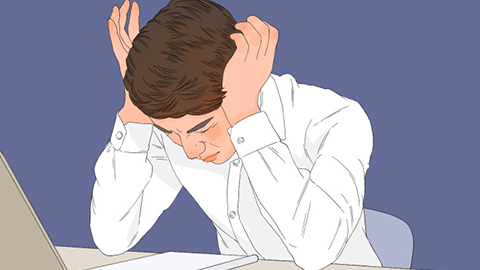
Psychological and emotional factors also play a role in tinnitus development. For instance, intense psychological stress triggered by sudden events may precipitate tinnitus. Likewise, extreme mood fluctuations, mental tension, excessive fatigue, or depression can aggravate tinnitus symptoms. Conversely, tinnitus itself can negatively impact emotional well-being and mental health, potentially creating a vicious cycle that further worsens symptoms. Therefore, maintaining a calm, positive, and relaxed mindset is essential. We hope this information proves helpful to you!



