


Impact of Premature Ventricular Contractions in Pregnant Women on the Fetus
Aug 14, 2022
Source: Cainiu Health

Dr. Li Man
Introduction
If a pregnant woman experiences a relatively small number of premature beats, these are considered incidental (or occasional) premature beats and have no impact on the fetus. Occasional premature beats occur in most people and are typically associated with mental stress or inadequate rest. In most cases, occasional premature beats are asymptomatic. However, if a pregnant woman experiences a relatively large number of premature beats—i.e., frequent premature beats—this may exert a certain degree of impact on cardiac function.
During pregnancy, a series of physiological changes occur in the maternal body, all of which may exert varying degrees of influence on the fetus. Pregnancy increases the workload on the cardiovascular system; thus, what impact does premature ventricular contraction (PVC) in pregnant women have on the fetus?
Impact of Premature Ventricular Contractions in Pregnant Women on the Fetus
If the frequency of PVCs is relatively low, they are considered incidental or occasional and pose no risk to the fetus. Occasional PVCs are common in the general population and are often associated with psychological stress or inadequate rest. In most cases, such sporadic PVCs are asymptomatic. However, if PVCs occur frequently, they may exert some degree of impact on cardiac function. Nevertheless, even frequent PVCs typically do not affect the fetus, as they do not significantly impair coronary blood supply or reduce cardiac output.
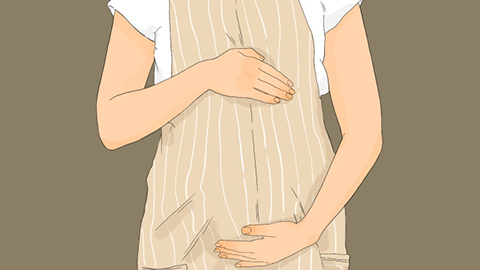
Several preventive measures exist for PVCs. First, it is essential to alleviate anxiety and maintain an optimistic outlook. Daily routines should avoid excessive fatigue and ensure adequate sleep. Occasional PVCs may be entirely asymptomatic, whereas frequent PVCs may cause symptoms such as palpitations, chest tightness, or dizziness. PVCs represent a common type of arrhythmia. Individuals experiencing PVCs should follow a varied diet rich in whole grains, potatoes, vegetables, fruits, and other vitamin-rich foods.

Pregnant women should attend regular prenatal check-ups and avoid staying up late. We hope this information proves helpful.




