


Can a pregnant woman undergo an immediate cesarean section after receiving a tetanus vaccine?
Dec 12, 2025
Source: Cainiu Health

Dr. Zhang Lu
Introduction
In cases of maternal or fetal emergencies (such as fetal distress, placental abruption, or risk of uterine rupture), cesarean section must be performed immediately to save lives, even if the tetanus vaccine was just administered. Under close monitoring, surgery can proceed. In such situations, ensuring the safety of both mother and baby is the top priority. The components of the tetanus vaccine are safe and will not cause serious adverse reactions due to surgical procedures, nor will they interfere with the surgery.
Generally, whether a pregnant woman should undergo an immediate cesarean section after receiving a tetanus vaccine depends on the urgency of the maternal and fetal conditions. In emergencies, surgery can be performed right away; in non-emergency situations, brief observation is recommended. If there are any concerns, it is advisable to seek medical consultation in advance. The detailed analysis is as follows:
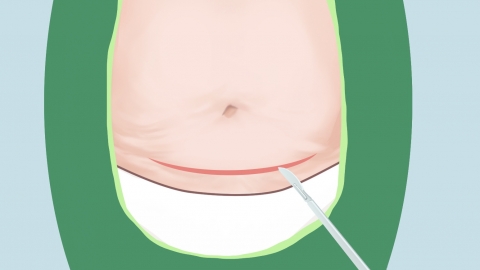
If there are emergency maternal or fetal conditions (such as fetal distress, placental abruption, or risk of uterine rupture), an immediate cesarean section must be performed to save lives. Even if the tetanus vaccine was just administered, the surgery can proceed under close monitoring. In such cases, ensuring maternal and fetal safety is the top priority. The components of the tetanus vaccine are safe and will not cause serious adverse reactions due to surgical procedures, nor will they interfere with the surgery itself.
If both mother and fetus are stable and there are no urgent indications for cesarean delivery, it is recommended to observe the pregnant woman for 30 minutes to 1 hour after vaccination in non-emergency scenarios. This observation period primarily monitors for possible allergic reactions to the vaccine (such as rash, difficulty breathing, or blood pressure drop), helping to prevent postoperative complications from overlapping with allergic symptoms, which could complicate diagnosis and management. If no abnormalities occur during this time, the cesarean section can proceed as planned, further reducing medical risks.
Prior to receiving the tetanus vaccine, pregnant women should fully inform their doctors about their gestational age, health status, and scheduled cesarean delivery plan, allowing the physician to comprehensively assess the optimal timing for surgery. After the procedure, close monitoring of both mother and baby is essential. Any discomfort in the mother or abnormalities in the newborn should be promptly reported to healthcare providers for timely intervention.







