


How long after a medication-induced abortion and uterine curettage does menstruation resume?
Aug 14, 2022
Source: Cainiu Health

Dr. Chen Zhe
Introduction
After a medical abortion, menstruation typically occurs 25–45 days following uterine clearance, with the exact timing varying among individuals. A uterine evacuation procedure is performed after medical abortion. During this procedure, all residual embryonic tissue and hyperplastic endometrium within the uterine cavity are removed. Following the procedure, the endometrium must regenerate from scratch and gradually thicken to an adequate level.
Medical abortion is a very common method of terminating pregnancy. It is particularly suitable for women in the early stages of pregnancy, as the gestational sac in the uterus is still small and can be effectively expelled through pharmacological stimulation. After a medical abortion, menstruation does not resume immediately; rather, it resumes only after uterine function has recovered. So, how long after a uterine curettage (D&C) following medical abortion does menstruation return?
How Long After Uterine Curettage Following Medical Abortion Does Menstruation Resume?
Menstruation typically resumes within 25 to 45 days after uterine curettage following medical abortion; however, the exact timing varies among individuals. After medical abortion, a uterine curettage procedure is often performed to remove all residual embryonic tissue and hyperplastic endometrium from the uterine cavity. Following this surgery, the endometrium must regenerate from scratch—gradually thickening—to a sufficient degree before endometrial shedding, bleeding, and subsequent menstruation can occur. Moreover, only after complete removal of all residual embryonic tissue can the hypothalamic–pituitary–gonadal (HPG) axis restore its pre-pregnancy secretory function, thereby promoting endometrial proliferation and repair. Therefore, counting from the day of curettage, it generally takes about one month for menstruation to resume—ranging from a minimum of 25 days to a maximum of 45 days.
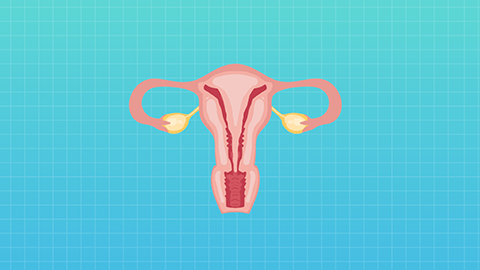
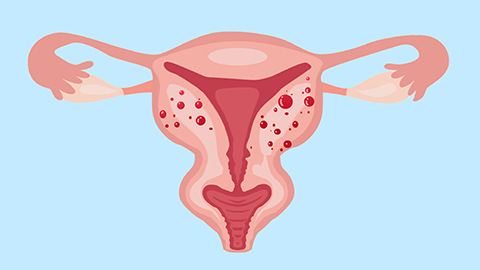
Following medical abortion, the cervix and endometrium sustain some degree of trauma, potentially leading to endometritis and post-abortion intrauterine adhesions. These complications significantly affect both menstrual patterns and vaginal discharge. When intrauterine adhesions occur, menstrual flow progressively diminishes and menses may become prolonged—ultimately impairing reproductive function. Additionally, incomplete curettage may result in residual embryonic tissue. Even small amounts of retained tissue can cause physical harm, recurrent abdominal pain, and—in severe cases—persistent intrauterine bleeding, which creates an environment conducive to bacterial infection.
If any disease-related symptoms arise in daily life, prompt diagnosis and treatment are essential, and patients should actively cooperate with their physicians. We hope this information proves helpful to you.



