


Best Exercises for Treating Frozen Shoulder
Aug 15, 2022
Source: Cainiu Health

Dr. Lin Yunfei
Introduction
The two most effective exercises for treating periarthritis of the shoulder are:
1. Shoulder flexion and weight lifting, and
2. Shoulder extension backward.
Shoulder joint exercises constitute the most common and essential treatment for periarthritis of the shoulder. Although numerous exercise techniques exist, shoulder flexion and weight lifting can be performed using methods such as “wall-climbing” or by hanging from a wall or horizontal bar. The second exercise—shoulder extension backward—involves reaching behind the back with the hand to touch the opposite scapula or spinal region.
Once shoulder periarthritis (frozen shoulder) develops, patients commonly experience adverse symptoms such as shoulder pain, numbness, and stiffness. In severe cases, these symptoms may significantly impair daily functioning; therefore, effective treatment is essential. So, what are the best exercises for treating shoulder periarthritis?
Best Exercises for Treating Shoulder Periarthritis
The two most recommended exercises for treating shoulder periarthritis are: (1) shoulder flexion combined with weight-bearing activities, and (2) shoulder extension backward—specifically, reaching the hand behind the back to touch the opposite scapula. Shoulder joint mobilization exercises constitute the most common and critical component of shoulder periarthritis management. Although numerous exercise options exist, shoulder flexion and weight-bearing can be performed using wall-climbing techniques or by hanging from a wall or horizontal bar. The second exercise—backward shoulder extension—aims to improve posterior mobility and functional reach. These two movements help alleviate the impact of shoulder periarthritis on everyday activities. However, it is important to note that more exercise is not always better; excessive or improper activity may exacerbate symptoms.
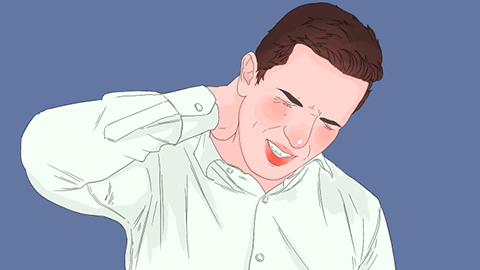
Patients should actively engage in shoulder joint mobility exercises and outdoor physical activity, while taking care to ensure safety and prevent accidental injury. It is also crucial to maintain local warmth around the shoulder joint—adjust clothing appropriately according to weather changes and avoid exposure to cold, wind, or prolonged residence in damp environments. Elderly patients, in particular, should focus on nutritional support, including calcium supplementation—for example, by consuming milk, eggs, soy products, bone broth, black fungus, or taking oral calcium supplements.

Patients experiencing severe symptoms should seek prompt medical attention at a hospital. Additional therapeutic options include physical modalities such as infrared radiation and shortwave diathermy to help relieve symptoms. We hope this information proves helpful to you.




