Early Warning Signs of Pancreatitis
Aug 15, 2022
Source: Cainiu Health

Dr. Zhao Haiming
Introduction
Early warning signs of recurrent pancreatitis include intermittent upper abdominal pain, which becomes more pronounced after overeating or consuming excessive amounts of food and alcohol. Further diagnostic evaluation is required, including pancreatic color Doppler ultrasound, as well as serum and urinary amylase tests, to confirm the diagnosis. Patients with pancreatitis are generally advised to maintain healthy lifestyle and dietary habits, and to manage emotional well-being effectively, in order to prevent disease recurrence.
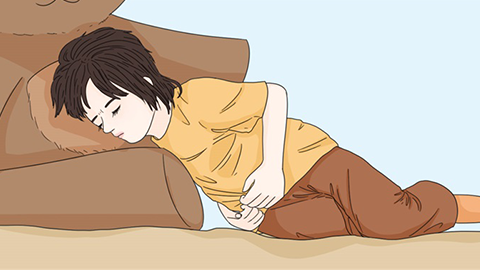
Many patients with pancreatitis frequently experience excruciating abdominal pain, which impairs their digestive function. To alleviate patient discomfort, gastrointestinal decompression may sometimes be performed. Therefore, it is essential to provide attentive care for patients with pancreatitis. What, then, are the warning signs of a pancreatitis episode?
Warning Signs of a Pancreatitis Episode
A harbinger of recurrent pancreatitis is paroxysmal upper abdominal pain, which becomes markedly worse following overeating or excessive alcohol consumption. Further diagnostic evaluation—including pancreatic color Doppler ultrasound, as well as serum and urinary amylase testing—is required to confirm the diagnosis. Patients with pancreatitis should maintain healthy lifestyle and dietary habits and manage emotional well-being to prevent disease recurrence. Appropriate use of sensitive antimicrobial agents, combined with gastric acid inhibitors such as lansoprazole, is often necessary. In cases of acute recurrence, prompt gastrointestinal decompression is indicated. If conservative treatment proves ineffective, surgical intervention may be required.

Once pancreatitis is diagnosed, an active and consistent treatment plan must be implemented. Treatment should not be interrupted arbitrarily, to prevent recurrent episodes. First, patients must observe absolute fasting and abstain completely from alcohol. Second, measures to suppress gastric acid secretion and pancreatic enzyme activity should be initiated. Third, anti-inflammatory, antispasmodic, and analgesic therapies should be added; however, morphine is strictly contraindicated, as it induces spasm of the sphincter of Oddi, thereby exacerbating pancreatic symptoms. Fourth, because pancreatitis requires a prolonged treatment course, oral intake may only resume—starting with small sips of water—after all symptoms have fully resolved. Early resumption of solid food is discouraged; the fasting period typically lasts approximately one week. Fifth, regular monitoring of blood glucose, electrolytes, and other biochemical parameters is essential to detect abnormalities such as hyperglycemia or hypocalcemia—both potential indicators of progression to severe necrotizing pancreatitis. Sixth, even after complete symptom resolution, patients must continue to avoid fatty foods and alcohol in daily life.
Active treatment under the guidance of qualified healthcare professionals is crucial to achieving optimal therapeutic outcomes. We hope this information proves helpful to you.