


Can you brush your teeth if you have pulpitis?
Aug 19, 2022
Source: Cainiu Health

Dr. Zhang Liwen
Introduction
Patients with pulpitis can and should brush their teeth—not only is brushing permitted, but they must also develop proper brushing habits. Since pulpitis initially results from bacterial infection—primarily due to poor oral hygiene—bacteria proliferate and accumulate in the mouth, leading to dental caries and subsequent exposure of dentinal tubules. Bacteria then invade the pulp tissue via these exposed tubules, triggering pulp inflammation.
Toothache is one of the most common symptoms associated with various oral disorders. There are numerous causes of toothache, the most frequent being dental caries, pulpitis, or apical periodontitis. Other contributing factors include “excess internal heat” (a traditional Chinese medicine concept) and improper diet. Toothaches resulting from different underlying causes often present with distinct clinical features. So, can patients with pulpitis brush their teeth?
Can Patients with Pulpitis Brush Their Teeth?
Patients with pulpitis not only may brush their teeth but must also cultivate good oral hygiene habits. Pulpitis initially arises from bacterial infection, primarily due to poor oral hygiene, which allows bacteria to proliferate and accumulate—leading to dental caries, exposure of dentinal tubules, and subsequent bacterial invasion into the dental pulp, triggering inflammation. Therefore, patients with pulpitis must learn and practice proper brushing techniques to thoroughly clean their teeth. Additionally, they should use a soft-bristled toothbrush and rinse with lukewarm water to minimize tooth sensitivity.
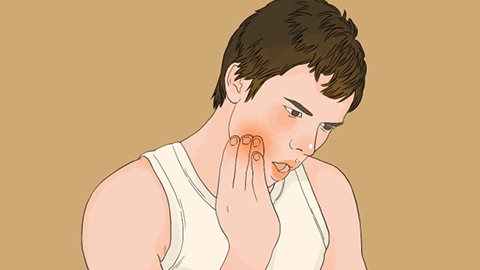
Patients with pulpitis should avoid consuming irritating foods—including hot, cold, sour, or sweet items—as these may exacerbate pulpitis and trigger inflammation in adjacent tissues. During pulpitis, most blood vessels within the pulp become dilated and engorged with blood, accompanied by serous exudate and inflammatory edema. At this stage, tooth sensitivity is markedly increased; strong dietary stimuli can provoke severe pain. Patients should also avoid meat, spicy, and salty foods, as during active pulpitis, the pulp chamber and periapical tissues are swollen and exhibit accelerated blood circulation. Moreover, hard or crunchy foods should be avoided in daily meals, since excessive friction and trauma to the periodontal and gingival tissues may worsen tooth pain.

When symptoms of pulpitis appear, patients should seek prompt medical attention to prevent disease progression. We hope this information has been helpful to you.


