


Can I brush my teeth if I have pulpitis?
Aug 24, 2022
Source: Cainiu Health

Dr. Zhang Liwen
Introduction
Patients with pulpitis can brush their teeth. Although pulpitis may affect a patient’s diet and chewing ability, toothbrushing itself remains unaffected—only the temperature of the mouthwash needs to be carefully controlled. In the early stage of pulpitis, teeth are sensitive to cold stimuli, which may exacerbate pain; therefore, rinsing with cold water should be avoided. In the late stage, teeth become pressure-sensitive, and hot water may cause further dental expansion.
The dental pulp is located at the center of the tooth, surrounded externally by enamel, dentin, and cementum, and connected only to the periapical tissues through the apical foramen. Many individuals with pulpitis avoid seeking medical care; some even refuse medication, believing they can endure the pain. In fact, pulpitis cannot be delayed—it requires prompt, early treatment, and there are several important considerations. So, can patients with pulpitis brush their teeth?
Can patients with pulpitis brush their teeth?
Yes, patients with pulpitis can brush their teeth. Although pulpitis may impair eating and chewing, it does not interfere with toothbrushing—only the temperature of the mouth rinse needs attention. During the early stage of pulpitis, teeth are often hypersensitive to cold stimuli, which may exacerbate pain; therefore, rinsing with cold water should be avoided. In the late stage, teeth become pressure-sensitive, and hot water may cause further expansion of the tooth structure, increasing intrapulpal pressure and intensifying pain. Thus, while toothbrushing remains permissible, rinsing with lukewarm water is the most appropriate choice.

Patients with pulpitis can indeed brush their teeth. Pulpitis causes irreversible damage to the dental nerve, necessitating thorough cleaning of the root canal and removal of all necrotic tissue—including the dental pulp itself. During treatment of a pulpitis-affected tooth, the damaged crown is restored using restorative materials, resulting in reduced sensory perception. Pulpitis is an inflammatory condition affecting the dental pulp; if not promptly and effectively controlled and treated, it may progress to irreversible pulpitis or even pulp necrosis.
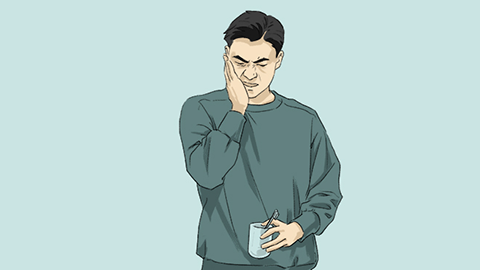
Patients are advised to avoid spicy and irritating foods—such as chili peppers, onions, leeks, and garlic—and to refrain from consuming alcoholic beverages or other stimulants, as these may irritate the pulp and worsen pain. This information is intended to assist you.


