


Advanced Esophageal Cancer Symptoms
Jun 30, 2020
Source: Cainiu Health
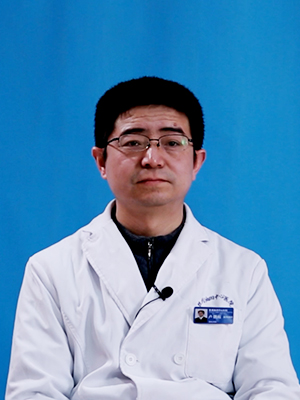
Dr. Lu Chaohui
Introduction
Advanced Esophageal Cancer Symptoms:
1. Dysphagia—This is the most typical and common symptom of advanced esophageal cancer.
2. Pain—Chest or back pain is also a frequent symptom in mid-to-late-stage esophageal cancer.
3. Neck mass—This indicates lymph node metastasis in advanced esophageal cancer.
4. Vomiting—Esophageal obstruction caused by the tumor may lead to hematemesis (vomiting blood) or vomiting of secretions.
With changes in dietary patterns, esophageal cancer has gradually become one of the most prevalent cancers in society. However, many people lack sufficient understanding of this disease in daily life, often missing the optimal window for treatment. So, what are the symptoms of advanced esophageal cancer? Below is an overview.

Symptoms of Advanced Esophageal Cancer
1. Dysphagia (Difficulty Swallowing)
This is the most typical and common symptom of advanced esophageal cancer. As the tumor obstructs the esophagus, most patients initially tolerate only liquid foods, then progress to drinking water only, and eventually become unable to swallow anything at all.
2. Pain
Chest or back pain is a frequent symptom in mid-to-late-stage esophageal cancer. The pain is typically dull, vague, or burning in nature. Chest or back pain often indicates that the malignancy has metastasized to adjacent organs, nerves, or paravertebral tissues.

3. Neck Mass
This is generally indicative of lymph node metastasis in late-stage esophageal cancer. The mass is usually painless, progressively enlarging, firm in consistency, and often coalescent—most commonly occurring on the left side.
4. Vomiting
Esophageal obstruction caused by the tumor impairs normal drainage of secretions. Additionally, tumor invasion into blood vessels may lead to hematemesis (vomiting blood) or vomiting of secretions.

The above outlines the key symptoms of advanced esophageal cancer. To prevent esophageal cancer, adopt healthier dietary habits: avoid excessively hot or coarse foods, as thermal injury and mechanical irritation can damage the esophageal mucosa. Also, refrain from consuming pickled or preserved foods; epidemiological studies have shown that such foods contain carcinogenic substances that significantly increase the risk of esophageal cancer. We hope this information is helpful—and wish you good health and happiness!






