


What are the symptoms of chronic gastroenteritis?
Aug 20, 2022
Source: Cainiu Health

Dr. Zhao Haiming
Introduction
Symptoms of chronic gastroenteritis typically include abdominal pain, nausea, vomiting, abdominal distension, decreased appetite, and weight loss. As the condition progresses, additional symptoms such as melena (black tarry stools), hematemesis (vomiting blood), and abdominal masses may appear. Malnutrition during this period may also lead to night sweats and palpitations. As its name suggests, chronic gastroenteritis is also commonly referred to as chronic gastritis.
Some patients suffer from chronic gastroenteritis but experience no noticeable symptoms in daily life. They wish to learn more about the typical symptoms associated with this condition—so, what are the symptoms of chronic gastroenteritis?
What Are the Symptoms of Chronic Gastroenteritis?
Common symptoms of chronic gastroenteritis include abdominal pain, nausea, vomiting, abdominal distension, decreased appetite, and weight loss. As the disease progresses, additional symptoms may emerge, such as melena (black, tarry stools), hematemesis (vomiting blood), or palpable abdominal masses. Malnutrition resulting from prolonged illness may also lead to night sweats and palpitations.

Chronic gastroenteritis—commonly referred to simply as chronic gastritis—comprises both chronic gastritis and chronic enteritis. It is an inflammatory condition affecting the mucosal linings of the stomach and intestines. In most cases, it arises from irregular eating habits, frequent consumption of excessively cold or hot foods, and repeated irritation of the gastrointestinal tract.
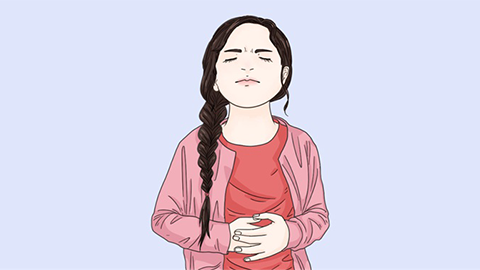
Therefore, if patients develop any of the aforementioned symptoms, they should promptly seek medical evaluation and receive appropriate treatment under the guidance of a qualified physician. Additionally, dietary management is crucial: patients should consume easily digestible foods while avoiding items that irritate the gastrointestinal tract. Such measures help effectively control the disease and prevent worsening or further progression. We hope this information proves helpful to you!



