


What Should You Eat with Acute Gastroenteritis?
Aug 20, 2022
Source: Cainiu Health

Dr. Zhao Haiming
Introduction
Patients with acute gastroenteritis may consume liquid foods such as lotus root starch and egg-based noodles. When diarrhea is severe or excessive sweating occurs, they should drink warm fluids—such as rice water, vegetable broth, or fruit juice—in moderation to replenish fluids and vitamins. Patients with acute gastroenteritis should eat easily digestible, nutrient-rich liquid and semi-liquid foods, including rice porridge, finely ground noodles, steamed egg drop soup, and salted crackers.
Acute pancreatitis is an acute inflammatory condition affecting the gastrointestinal mucosa, which can severely impair digestive function. So, what should patients with acute gastroenteritis eat?
What Should Patients with Acute Gastroenteritis Eat?
Patients with acute gastroenteritis may consume liquid foods such as lotus root starch and egg-based gruels. When diarrhea is severe or excessive sweating occurs, they should drink warm fluids—such as rice water, vegetable broth, or fruit juice—in moderation to replenish lost fluids and vitamins. Easily digestible, nutrient-rich liquid and semi-liquid foods—including congee (rice porridge), finely ground noodles, steamed egg drop soup, and salted crackers—are recommended. It is best to adopt a “small, frequent meals” approach. Importantly, milk should be avoided, as should large amounts of sugar. These foods tend to ferment in the intestines, producing gas that may cause abdominal distension and pain, thereby worsening patient discomfort. Moreover, milk contains relatively high levels of fat, which lubricates the intestinal tract and enhances peristalsis—thus increasing intestinal workload and impeding recovery.
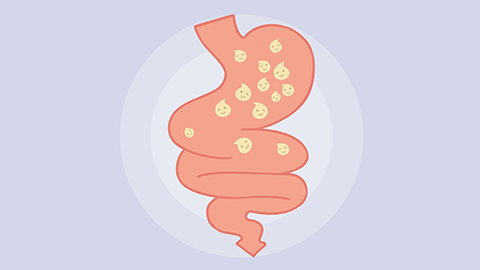
Pathophysiological changes in the gastrointestinal tract—particularly the intestines—render it highly sensitive to food. Therefore, dietary restraint is essential: consume small portions of bland, soft, warm foods, and avoid fatty meats, fried foods, raw or cold/hard foods, and high-fiber vegetables such as celery, leeks, and garlic. After approximately 2–3 days into the recovery phase, patients may gradually resume a normal diet.

Millet is a nutritious food. When preparing millet porridge, you may add vegetables and fruits such as pumpkin, Chinese yam, Chinese cabbage, or hyacinth beans according to personal preference. This helps ensure adequate nutrition and supports recovery from enteritis. We hope this article has been helpful. Wishing you a joyful life and good health!


