


What to Eat with Acute Gastroenteritis
Aug 24, 2022
Source: Cainiu Health

Dr. Liu Shijun
Introduction
Patients with acute gastroenteritis require special attention to their diet. As acute gastroenteritis is a serious inflammatory condition of the gastrointestinal tract, particular emphasis must be placed on its treatment and prevention. First, the diet should be light and bland; alcohol and greasy or spicy foods must be strictly avoided. Additionally, meals should be taken regularly—binge eating or overeating must be strictly prohibited.
With the accelerating pace of modern life, an increasing number of people are developing acute gastroenteritis. Although acute gastroenteritis is commonly triggered by irregular eating habits, it is, in fact, not a minor illness. In severe cases, it can even lead to death. Therefore, it warrants serious attention in daily life. So, what should one eat when suffering from acute gastroenteritis?
What to Eat with Acute Gastroenteritis
Dietary management for patients with acute gastroenteritis requires special attention. As acute gastroenteritis is a serious inflammatory condition affecting the gastrointestinal tract, both treatment and prevention must be prioritized. First and foremost, the diet should consist primarily of light, bland foods; alcohol and greasy or spicy foods must be strictly avoided. Additionally, meals should be taken regularly—never in excess—since overeating or binge-eating significantly impairs gastrointestinal function. For individuals who frequently experience acute gastroenteritis, moderate consumption of plain milk is advisable, as it offers tangible protective benefits for the intestinal mucosa. Thus, dietary details are critically important for patients with acute gastroenteritis; subtle differences in dietary choices correspond directly to distinct clinical outcomes and symptom control.
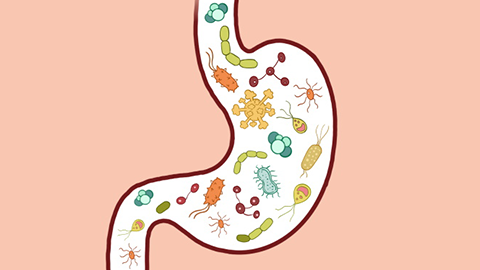
Liquid or semi-liquid foods are recommended, such as rice porridge, lotus root starch, egg powder, and soft noodles. Patients may also drink appropriate amounts of nourishing fluids—including rice water, vegetable broth, fruit juice, and lightly salted water—to replenish lost fluids, vitamins, and electrolytes and prevent dehydration. As symptoms improve, patients may gradually transition to easily digestible, nutrient-rich liquid or semi-liquid foods—for example, noodles, crackers, bread, and cereals. Meals should be small and frequent to facilitate gastrointestinal absorption, and abdominal warmth should be maintained.
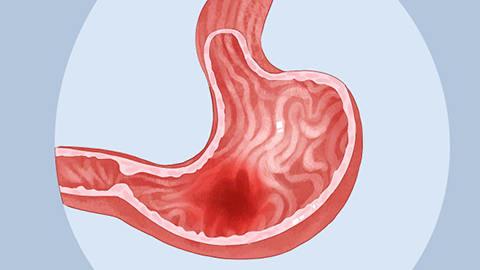
In general, patients are advised to consume vegetables and fresh fruits low in dietary fiber. We hope this information proves helpful.



