


Can trigger finger (stenosing tenosynovitis) be treated with corticosteroid injections?
Aug 20, 2022
Source: Cainiu Health

Dr. Lin Yunfei
Introduction
Tenosynovitis can be treated with corticosteroid injections. For patients with severe swelling and pain, glucocorticoids are primarily injected directly into the tendon sheath to alleviate pain and swelling. However, corticosteroid injections should not be repeated frequently or over prolonged periods to avoid complications such as tendon rupture and infection. If corticosteroid injection therapy proves ineffective and symptoms continue to worsen, surgical intervention should be considered.
Tenosynovitis is a common condition in modern society. It is typically a chronic, traumatic inflammatory disorder caused by excessive friction within the tendon sheath. This condition predominantly affects middle-aged and elderly women, as they frequently engage in household chores and extensive hand-related activities—over time, such repetitive motions can easily lead to the development of tenosynovitis. So, can tenosynovitis be treated with corticosteroid injections (“block injections”)?
Can tenosynovitis be treated with block injections?
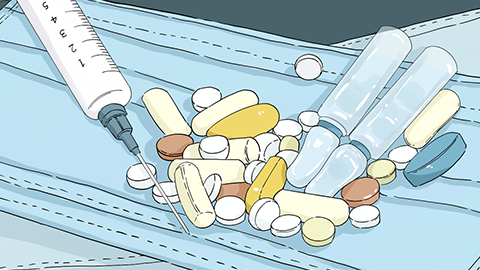
Yes, tenosynovitis can be treated with block injections. For patients experiencing severe swelling and pain, corticosteroids are primarily injected directly into the tendon sheath to alleviate pain and reduce inflammation. However, repeated long-term use of block injections should be avoided to prevent complications such as tendon rupture or infection. If block injection therapy proves ineffective and symptoms continue to worsen, surgical intervention may be necessary—such as open release of the tendon sheath and tendon decompression—to surgically loosen adhesions in the affected tendon tissue.

Block injections are indeed an effective treatment option for tenosynovitis. Their therapeutic effect is relatively favorable because tenosynovitis arises from inflammation of the tendon sheath itself. Specifically, irritation of the tendon sheath leads to edema and hyperplasia, resulting in localized inflammation and pronounced pain. Patients may be treated with nonsteroidal anti-inflammatory drugs (NSAIDs) or corticosteroids. In particular, local block injections are highly effective in managing tenosynovitis, as they efficiently suppress inflammation and promote its resolution.
Patients with tenosynovitis should minimize frequent activity involving the affected area, avoid exposure of the lesion to cold drafts, and prevent trauma. Adequate rest is essential, and dietary choices should emphasize nutrient-rich foods to support healing. We hope this information has been helpful to you.





