


What methods can be used to treat prickly heat?
Aug 22, 2022
Source: Cainiu Health

Dr. Liu Wan
Introduction
Commonly used topical medications and oral drugs, along with measures to improve hot, humid, and sweaty environments, can effectively treat miliaria (prickly heat). In traditional Chinese medicine (TCM), the following herbs may be prepared as a decoction with boiling water for external washing: honeysuckle flower (Jinyinhua), wild chrysanthemum flower (Yejuhua), and dictamnus root bark (Baixianpi). Oral TCM formulations containing astragalus root (Huangqi), honey-fried licorice root (Zhigancao), and dictamnus root bark (Baixianpi) are believed in TCM to dispel wind, clear heat, and relieve itching.
In real life, some patients pay insufficient attention to personal hygiene habits, leading to adverse symptoms such as prickling or stinging sensations, which significantly impair daily life. When the condition is mild, prompt treatment is essential. So, when experiencing a prickling sensation, what methods can effectively treat miliaria (prickly heat)?
Effective Methods for Treating Miliaria (Prickly Heat)
Common approaches include topical medications, oral medications, and improving hot, humid, and poorly ventilated environmental conditions. For traditional Chinese medicine (TCM), the following herbs may be boiled in water for external cleansing: honeysuckle flower (Jinyinhua), wild chrysanthemum flower (Yejuhua), and dictamnus root bark (Baixianpi). Oral TCM formulations containing astragalus root (Huangqi), honey-fried licorice root (Zhigancao), and dictamnus root bark (Baixianpi) are believed in TCM to dispel wind, clear heat, and relieve itching. Maintaining a cool, dry, and well-ventilated local environment helps reduce the occurrence of prickling sensations. Additionally, if prickling sensations are accompanied by pustules or pustular lesions, anti-infective therapy should be considered; topical agents such as norfloxacin cream or compound polymyxin B ointment may be used.
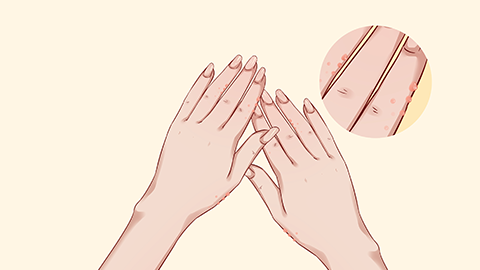
Miliaria (prickly heat) is an inflammatory skin disorder commonly occurring during hot summer weather. In high temperatures, excessive sweat fails to evaporate efficiently, resulting in blocked sweat ducts and subsequent skin inflammation—making miliaria a relatively common and benign condition. Therefore, there is generally no need for excessive concern upon initial onset.
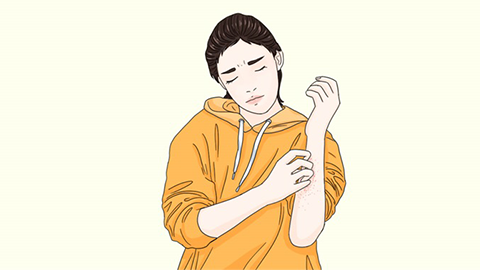
In daily life, patients should maintain a positive mindset, actively cooperate with physicians during treatment, take prescribed medications on time and in correct dosages, and adhere to proper daily skin care to facilitate rapid improvement. We hope this response has been helpful to you.







