


What should I do about seborrheic dermatitis?
Aug 22, 2022
Source: Cainiu Health

Dr. Liu Wan
Introduction
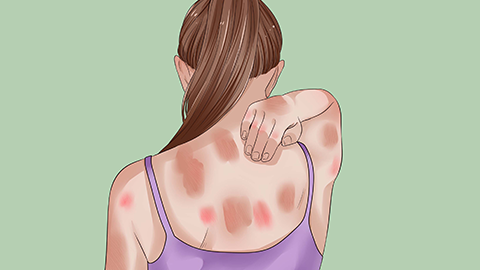
Seborrheic dermatitis treatment options include general measures, among others. If you have seborrheic dermatitis, you may experience pruritus (itching). The severity of itching varies from person to person; in most cases, it is mild. However, some patients experience severe itching, which can sometimes be unbearable. Scratching due to uncontrollable itchiness may leave visible scratch marks on the skin.
Seborrheic dermatitis tends to recur repeatedly, causing marked pruritus and severe skin rashes, making treatment challenging. Without timely intervention, the condition may worsen significantly; thus, most patients seek information about current treatment options. So, what should one do for seborrheic dermatitis?
What to Do for Seborrheic Dermatitis
Treatment options for seborrheic dermatitis generally include supportive and symptomatic measures. Patients with seborrheic dermatitis often experience pruritus, the severity of which varies among individuals—typically mild, but occasionally severe and even intolerable. Uncontrolled scratching can lead to excoriations on the skin surface; further scratching may cause crusting and bleeding, potentially resulting in serious secondary infection.

In cases of severe inflammation, bacterial infection, or abscess formation, antibiotics or vitamin supplementation may be prescribed. These medications can generally be taken for extended periods without significant adverse effects. Initially, patients should ensure adequate sleep, adjust their daily diet, and maintain a regular lifestyle. Emphasize consumption of fresh vegetables and fruits; limit intake of high-sugar foods; avoid spicy, irritating, and stimulant foods; and abstain from smoking and alcohol. Additionally, patients should strive to minimize psychological stress. Conservative management is suitable only for mild cases; its efficacy diminishes significantly in moderate-to-severe disease.
In daily life, patients should maintain a positive attitude, actively cooperate with healthcare providers, adhere strictly to prescribed medication regimens (including correct dosage and timing), and prioritize routine skincare—thereby facilitating prompt clinical improvement. We hope this response proves helpful to you.



