


Is dysmenorrhea a gynecological disorder?
Aug 22, 2022
Source: Cainiu Health

Dr. Lv Aiming
Introduction
In most cases, dysmenorrhea is a gynecological condition. It can be classified into primary and secondary dysmenorrhea. Primary dysmenorrhea results from elevated prostaglandin levels, whereas secondary dysmenorrhea is commonly caused by gynecological inflammation. For primary dysmenorrhea, patients may receive pharmacological treatment under a physician’s guidance; for secondary dysmenorrhea, it is advisable to identify the underlying cause and administer targeted therapy accordingly.
It is perfectly normal for women to have menstrual periods; however, many women dread their arrival each month—primarily because those few days are often accompanied by significant discomfort, with dysmenorrhea (painful menstruation) being the main culprit. Dysmenorrhea is neither trivial nor negligible; gaining a better understanding of it can greatly aid in both prevention and treatment. So, is dysmenorrhea considered a gynecological disorder?
Is Dysmenorrhea a Gynecological Disorder?
In most cases, yes—dysmenorrhea is classified as a gynecological condition. A more detailed explanation follows:
Dysmenorrhea refers to painful symptoms occurring during menstruation, commonly triggered by factors such as abdominal chilling or excessive mental stress and anxiety. These factors may lead to qi deficiency and blood stasis, impairing the smooth flow and expulsion of menstrual blood. As a result, blood accumulates within the uterus over time, causing pain. Dysmenorrhea is broadly categorized into two types: primary and secondary. Primary dysmenorrhea is typically associated with elevated prostaglandin levels, whereas secondary dysmenorrhea is usually caused by underlying gynecological inflammation or pathology. Conditions such as pelvic inflammatory disease, endometriosis, adenomyosis, and uterine fibroids can all trigger secondary dysmenorrhea. Common symptoms experienced by patients include nausea, diarrhea, dizziness, fatigue, cold extremities, and lower abdominal pain. Therefore, dysmenorrhea is indeed a gynecological disorder.

If you experience dysmenorrhea, it is advisable to seek timely evaluation at a reputable hospital. Diagnostic assessments—including B-mode ultrasonography and comprehensive gynecological examinations—can help identify the precise underlying cause. For primary dysmenorrhea, treatment under medical supervision may include nonsteroidal anti-inflammatory drugs (NSAIDs) such as indomethacin tablets or flufenamic acid tablets, alongside adequate rest. In cases of secondary dysmenorrhea, identifying and addressing the root cause is essential; targeted therapy should be initiated promptly to prevent disease progression and potential complications.
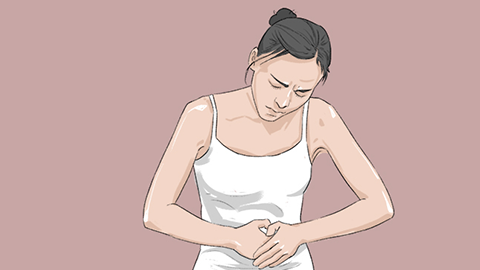
Patients are advised to maintain a balanced diet and avoid spicy or irritating foods. When dysmenorrhea becomes severe, prompt medical evaluation and treatment are strongly recommended. We hope this information proves helpful to you.



