


Can you drink saffron water for menstrual cramps?
Dec 08, 2025
Source: Cainiu Health

Dr. Zhang Lu
Introduction
In general, whether women with dysmenorrhea can drink saffron water depends on the specific pattern of symptoms. Those with blood stasis-type dysmenorrhea may drink a small amount of saffron water to help alleviate symptoms, but it is unsuitable for those with deficiency-cold type or other patterns, and dosage must be strictly controlled. When consuming saffron water, only high-quality, authentic saffron should be used, in very small amounts each time, and it should not be consumed long-term. Other daily methods to relieve menstrual pain include applying heat to the lower abdomen and drinking brown sugar ginger tea.
Generally, whether saffron water can be consumed for dysmenorrhea depends on the specific TCM pattern. It may be used in small amounts to help relieve symptoms in cases of blood stasis–type dysmenorrhea, but is not suitable for deficiency-cold type or other patterns, and dosage must be strictly controlled. The details are as follows:
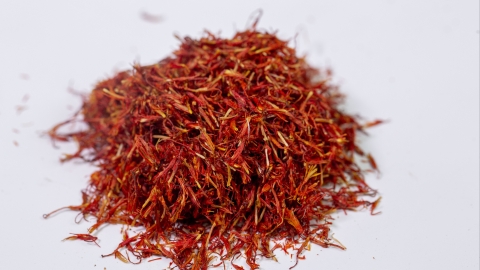
Saffron has the effects of promoting blood circulation and removing blood stasis, as well as relieving depression and dispersing stagnation. For dysmenorrhea caused by blood stasis—commonly characterized by scanty menstruation, dark red menstrual blood with clots, and fixed abdominal pain—drinking a small amount of saffron water may help unblock meridians, alleviate blood stasis, and reduce pain. However, due to saffron's strong blood-activating properties, excessive consumption may lead to increased menstrual flow or prolonged periods.
In cases of deficiency-cold type dysmenorrhea, which presents as cold pain in the lower abdomen, relief from warmth and pressure, and clear, watery menstrual discharge, consuming saffron water may worsen the deficiency-cold condition and intensify pain. Additionally, women who experience heavy menstrual bleeding should avoid saffron water to prevent further increase in blood loss.
When consuming saffron water, only high-quality, reputable products should be used, and each serving should be very small. Long-term use is not recommended. Other daily methods to relieve dysmenorrhea include applying heat to the lower abdomen, drinking brown sugar ginger tea, maintaining regular sleep patterns, and following a light diet, all of which contribute to greater comfort during menstruation.


