Early Symptoms of Proctitis in Women
Aug 22, 2022
Source: Cainiu Health

Dr. Cheng Yicheng
Introduction
Early symptoms of proctitis in women include lower abdominal pain and bloating, localized exclusively to the lower abdomen. Bloating may sometimes be subtle, and abdominal pain is typically dull or aching in nature. Additionally, diarrhea may occur, usually without a marked sense of urgency. Constipation or increased bowel movement frequency may also be present, and blood in the stool is possible. Notably, mucopurulent bloody stools are uncommon in clinical practice.
Rectal inflammation (proctitis) is a very common anorectal condition in daily life—especially among middle-aged and elderly individuals. However, many patients remain unaware of its significance until symptoms persist for a prolonged period, often resulting in delayed diagnosis and missed optimal treatment windows. Therefore, enhancing public awareness of proctitis is essential. So, what are the early symptoms of proctitis in women?
Early Symptoms of Proctitis in Women
In women, early manifestations of proctitis typically include lower abdominal pain and bloating, localized exclusively to the lower abdomen. Bloating may be subtle or absent, while abdominal pain is usually mild and dull in nature. Diarrhea is also common, though typically without a pronounced sense of urgency. Constipation or increased bowel movement frequency may occur, and blood in the stool is possible. Notably, mucopurulent bloody stools are relatively uncommon in clinical practice. Some female patients may experience pruritus ani (anal itching), and occasionally vulvar itching, which can even lead to lichenification of the perianal or vulvar skin. Additionally, systemic symptoms such as fatigue, cold extremities, low energy, and occasional low-grade fever may appear.
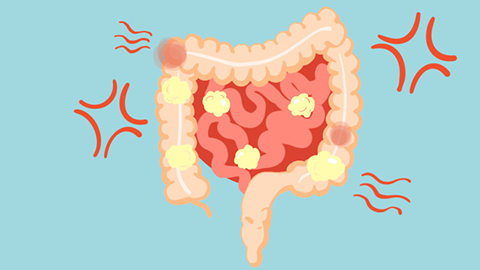
If a woman develops proctitis, early signs commonly include increased bowel movement frequency, hematochezia (blood in stool), and fever. Proctitis in women is frequently associated with dietary habits—for instance, regular consumption of spicy or irritating foods, which can damage the rectal mucosa and cause local mucosal congestion and edema. It may also relate to poor dietary habits, such as chronic dieting, restrictive eating, or habitual food selectivity. Upon diagnosis, prompt medical consultation is advised. Under physician guidance, medications that protect the intestinal mucosa may be prescribed. In cases of gut microbiota imbalance, probiotic therapy may also be considered.

In daily life, a light, bland diet should be maintained, and smoking and alcohol consumption should be avoided. If symptoms become severe, timely medical evaluation is crucial, followed by targeted treatment as recommended by a healthcare provider. We hope this information proves helpful to you.