What should a pregnant woman do if she experiences constipation and anal swelling?
Aug 22, 2022
Source: Cainiu Health

Dr. Chen Zhe
Introduction
Pregnant women with constipation and perianal swelling may use warm saline sitz baths or potassium permanganate solution sitz baths to enhance local perianal blood circulation and promote resolution of edema; however, sitz baths should be avoided during the late stages of pregnancy. Secondly, topical application of hypertonic agents via moist compresses can help reduce edema—for example, magnesium sulfate–soaked gauze compresses—potentially combined with infrared radiation therapy.
Constipation affects many people. In non-pregnant individuals, certain medications can be used to relieve and regulate bowel movements. However, for women experiencing constipation during pregnancy, medication use may pose risks to the developing fetus; therefore, pharmacological interventions are generally contraindicated. So, what should be done if a pregnant woman develops constipation accompanied by perianal swelling?
Management of Constipation-Related Perianal Swelling in Pregnancy
For constipation-related perianal swelling during pregnancy, warm saline sitz baths or potassium permanganate solution sitz baths may be used to enhance local perianal blood circulation and promote resolution of edema. However, sitz baths should be avoided during the third trimester. Alternatively, topical application of hypertonic agents—such as magnesium sulfate-soaked gauze—for moist compresses can help reduce edema. Combining this approach with infrared radiation therapy may further improve treatment efficacy.
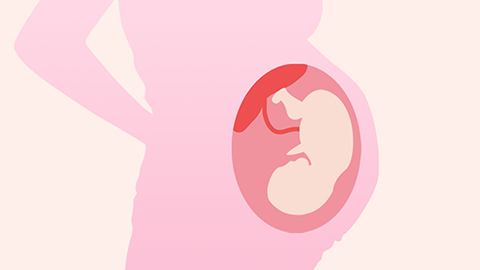
Constipation during pregnancy results primarily from elevated progesterone levels, which decrease intestinal motility and tone, thereby prolonging colonic transit time and increasing water absorption by the intestinal wall. Additionally, progressive uterine enlargement and fetal pressure on the distal colon contribute to constipation. Pregnant women with regular bowel habits may benefit from drinking a glass of warm water each morning and consuming more easily digestible, fiber-rich fresh vegetables and fruits. Moderate physical activity and consistent, timely bowel habits are also recommended. In cases of severe constipation, oral laxatives or rectal glycerin suppositories (e.g., Dulcolax®) may be considered—but only under medical supervision.
Pregnant women are advised to maintain a balanced diet rich in dietary fiber, limit intake of spicy and greasy foods, engage in appropriate physical activity, and ensure adequate hydration—addressing constipation at its root cause. We hope this information is helpful.