


How to Nurture and Recover from Gastric Ulcers
Aug 22, 2022
Source: Cainiu Health

Dr. Zhou Chao
Introduction
In general, gastric ulcers can be managed through attention to dietary hygiene, maintaining a regular lifestyle, and medication. In addition to the aforementioned common measures, it is also important to avoid mental stress; persistent emotional agitation or excessive depression and anxiety may adversely stimulate the gastric mucosa, hindering recovery. Maintain regular mealtimes in daily life.
The stomach is a vital organ that helps store food and facilitate digestion—functions essential to human health. When the stomach becomes compromised, it can trigger numerous symptoms and diseases. In severe cases, it may even progress to gastric cancer, which can be fatal. Gastric cancer is associated with long-standing, untreated gastric ulcers—a chronic condition. So, how should one manage and care for a gastric ulcer?
How to Manage and Care for a Gastric Ulcer
Generally, gastric ulcers can be managed through attention to dietary hygiene, maintaining a regular lifestyle, and appropriate medication. A detailed explanation follows:
1. Maintain Dietary Hygiene
Regularly consuming unclean, raw, cold, or spicy and irritating foods may disrupt gastrointestinal digestive function. Therefore, adopting a light, balanced diet rich in vegetables and fruits—foods that support healthy digestion—can aid ulcer healing.
2. Maintain a Regular Lifestyle
Patients with gastric ulcers should adhere to consistent daily routines, especially regarding meal timing. Skipping meals may disturb normal gastric acid secretion, thereby impeding ulcer healing. Cold weather may also exacerbate ulcer-related pain; thus, keeping the abdomen warm and adjusting clothing appropriately according to seasonal changes supports overall health and promotes recovery.

3. Medication Therapy
Gastric ulcers are chronic conditions requiring consistent, physician-guided pharmacological treatment. Commonly prescribed medications include famotidine, omeprazole, amoxicillin, and clindamycin—all of which contribute to disease recovery.
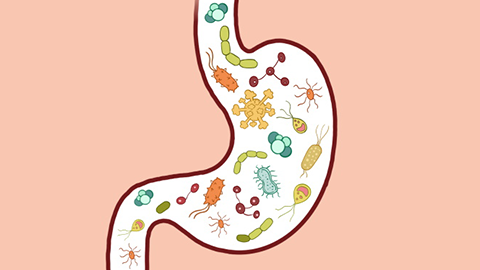
In addition to the above measures, it is crucial to avoid mental stress. Persistent emotional agitation, excessive depression, or anxiety may adversely stimulate the gastric mucosa and hinder recovery.
We hope this information is helpful to you.




