


Hypertension Dietary Restrictions Chart
Aug 22, 2022
Source: Cainiu Health

Dr. Li Man
Introduction
“Contraindications” refer to dietary and lifestyle modifications that all hypertensive patients should adopt. Specifically, sodium intake should be reduced—daily salt consumption should not exceed 6 g per person. Patients should consume fresh vegetables and fruits daily to ensure adequate potassium intake. Additionally, fat intake should be minimized: cooking oil consumption should be reduced, and fatty meats and animal offal should be avoided or consumed sparingly. Patients must also quit smoking and limit alcohol consumption.
Modern lifestyles—characterized by excessive work and life stress and poor daily routines—predispose individuals to numerous endocrine disorders, including hypertension. So, what foods should patients with hypertension avoid?
Hypertension Dietary Restrictions
Dietary restrictions for hypertension refer to dietary and lifestyle modifications that all hypertensive patients should adopt. Specifically: • Reduce sodium intake—limit salt consumption to no more than 6 g per person per day; • Consume fresh vegetables and fruits daily to increase potassium intake; • Limit total fat intake—reduce cooking oil consumption, and minimize or avoid fatty meats and organ meats (e.g., liver, kidneys); • Quit smoking and limit alcohol consumption—to no more than 50 g of ethanol per day; • Maintain a healthy body weight—ideally keeping BMI below 24 kg/m².
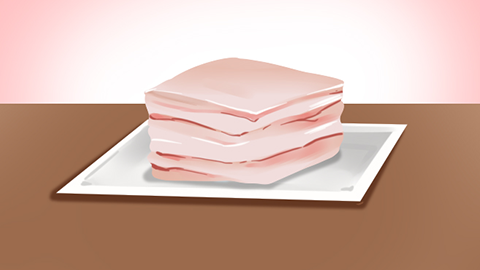
In addition to genetic factors, hypertension is closely associated with obesity in many individuals. Indeed, obesity not only contributes to hypertension but also increases the risk of other comorbidities—including coronary heart disease (a cardiovascular condition), osteoarthritis, and cholecystitis. Obese individuals often overeat and experience excessive fatigue, creating a vicious cycle that significantly contributes to the development of hypertension. The most effective preventive strategy involves dietary control combined with scientifically guided physical exercise.
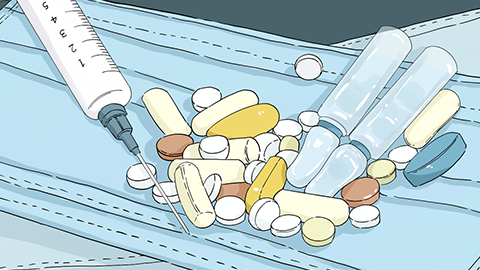
Patients are advised to drink moderate amounts of sugar- and salt-containing fluids as needed, avoid adverse psychological stressors, ensure adequate sleep, and initiate appropriate antihypertensive medication promptly. We hope this information proves helpful.


