


Distinguishing Features of Angina Pectoris and Myocardial Infarction Pain
Aug 22, 2022
Source: Cainiu Health

Dr. Li Man
Introduction
The differences between angina pectoris and myocardial infarction pain lie in the intensity, duration, and relieving characteristics of the pain. Angina pectoris typically presents as a sensation of oppression, tightness, or squeezing, often radiating to the shoulder, back, left arm, jaw, or gums; less commonly, it may manifest as burning or crushing pain. In contrast, the pain of myocardial infarction is more severe, primarily characterized by crushing chest pain, frequently accompanied by diaphoresis and a sense of impending doom.
Today, due to frequent late-night work and study, people are experiencing significant adverse effects on their health—reduced immunity and disrupted endocrine function. Excessive workloads place undue stress on the heart, increasing the incidence of angina pectoris and myocardial infarction. So, what are the differences between the pain associated with angina pectoris and that of myocardial infarction?
Differences in Pain Between Angina Pectoris and Myocardial Infarction
The key distinctions lie in pain intensity, duration, and whether the pain can be relieved. Angina pectoris typically presents as a sensation of tightness, pressure, or squeezing discomfort; it may radiate to the shoulder, back, left arm, jaw, or gums. Less commonly, it manifests as burning or crushing pain. In contrast, the pain of myocardial infarction is more severe and predominantly described as crushing or oppressive, often accompanied by diaphoresis (sweating) and a profound sense of impending doom. Angina pain usually lasts only a few minutes to up to 15–20 minutes, rarely exceeding 30 minutes. By comparison, pain from myocardial infarction persists longer—typically over 30 minutes.
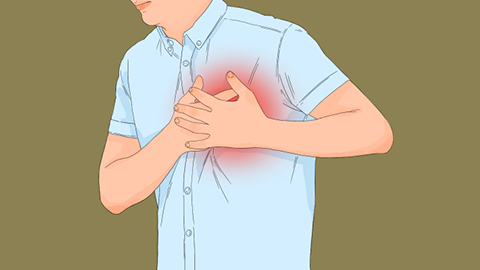
The primary symptom of angina pectoris is chest pain, most commonly triggered by physical exertion. During strenuous activity, cardiac workload increases, raising the heart’s oxygen demand. Emotional stress is another common trigger; therefore, patients should avoid excessive physical strain and maintain a calm, positive emotional state.
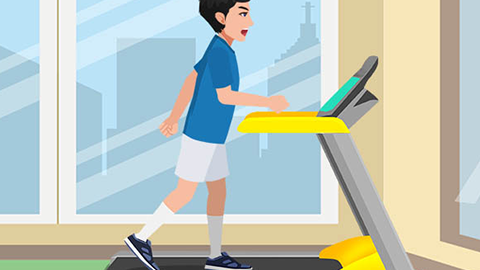
We recommend that patients engage in regular physical exercise, undergo routine health check-ups, consume a nutritionally balanced diet, and avoid overeating or binge eating. We hope this information proves helpful to you.



