What tests are required for female reproductive tract infections?
Aug 24, 2022
Source: Cainiu Health

Dr. Lv Aiming
Introduction
Diagnostic evaluation of female genital infections primarily involves laboratory tests or imaging studies. For women, common examinations include vaginal discharge analysis and gynecological ultrasound. When a woman presents with abundant vaginal secretions or leukorrhea, a direct microscopic smear can be prepared and examined for the presence of bacteria and fungi. Infection-related findings and gynecological color Doppler ultrasound can help assess whether fluid is present in the uterus, surrounding adnexal structures, and the pelvic cavity.
Many women develop reproductive tract infections after childbirth and require medical evaluation at a hospital. What diagnostic tests are typically performed for female reproductive tract infections?
Diagnostic Tests for Female Reproductive Tract Infections
Diagnostic evaluation of female reproductive tract infections primarily involves laboratory testing and/or imaging studies. Commonly performed tests include vaginal discharge examination, gynecological ultrasound, and cervical cytology (Pap smear). When abundant vaginal discharge or leukorrhea is present, a direct microscopic examination of a wet-mount preparation can identify bacterial or fungal pathogens. Pelvic inflammatory disease and other gynecological conditions may be assessed using color Doppler ultrasound to detect fluid accumulation in the uterus, adnexal structures, and pelvic cavity. Cervical cytology helps detect abnormal or precancerous cervical cells, enabling early diagnosis of cervical cancer.
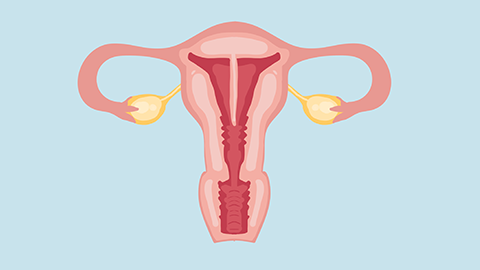
Common symptoms of female genital tract infections include vulvar burning, pruritus, erythema, pain, urinary frequency, urgency, dysuria, and changes in vaginal discharge—such as purulent, yellow-green, or curd-like discharge with an unpleasant odor. Additional manifestations may include postcoital bleeding, increased vaginal discharge, and lower abdominal pain. These symptoms are commonly associated with vulvitis, vaginitis, and cervicitis, and may co-occur with urinary tract infections.
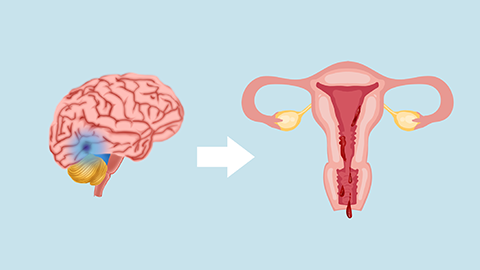
During treatment, patients should maintain strict personal hygiene. It is recommended to change and wash undergarments frequently and follow a light, non-irritating diet—avoiding spicy or stimulating foods. We hope this information is helpful to you.