How to Use Medication for Female Reproductive Infections
Aug 24, 2022
Source: Cainiu Health

Dr. Lv Aiming
Introduction
First, administer the medication vaginally by placing it into the vagina. You may lie supine on a bed with your knees bent, then insert the applicator directly into the vagina and press the plunger to deliver the tablet deep into the vaginal cavity. After administration, thoroughly clean and dry the applicator to ensure it remains hygienic and functional for subsequent use. For optimal drug absorption, vaginal administration is best performed at bedtime.
Genital infections in women are relatively common in daily life and tend to recur frequently. So, how should medications be used for female genital infections?
How to Use Medications for Female Genital Infections
First, vaginal administration: insert the medication into the vagina. The patient may lie supine on a bed with knees bent, then gently insert the applicator directly into the vagina and depress the plunger to deliver the tablet deep into the vaginal cavity. After administration, the applicator must be thoroughly cleaned and dried to ensure it remains hygienic for subsequent use. For optimal absorption, vaginal administration is best performed at bedtime. Using vaginal medications during daytime hours increases the risk of leakage, potentially soiling undergarments and significantly reducing therapeutic efficacy.
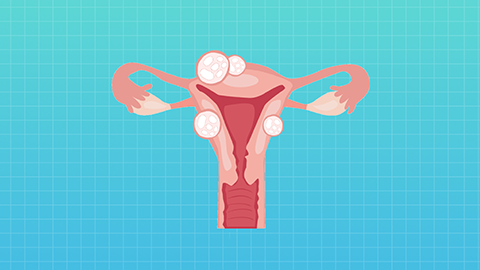
Active anti-inflammatory treatment is essential for female genital infections. The most common conditions include vaginitis and pelvic inflammatory disease (PID). Treatment for vaginitis varies depending on its specific type and the causative pathogen. For example, trichomoniasis requires metronidazole therapy targeting anaerobic bacteria; vaginal administration is preferred, with oral medication reserved only for severe cases. Second, PID also necessitates antibiotic therapy. Whenever possible, antibiotics should be selected based on culture and sensitivity testing of the causative organism. PID is typically treated with broad-spectrum antibiotics combined with agents effective against anaerobes.
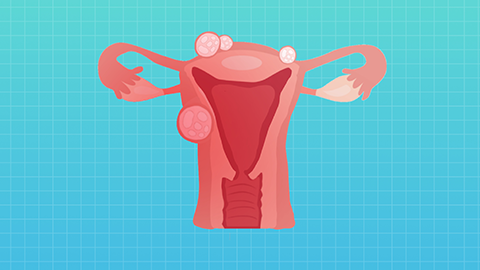
Maintaining good genital hygiene in daily life and using appropriate protective measures during sexual intercourse can effectively prevent genital infections. We hope this information is helpful to you!