


What physical symptoms do patients with priapism experience?
Aug 24, 2022
Source: Cainiu Health

Dr. Li Mingchuan
Introduction
Priapism refers to a persistent penile erection occurring in the absence of sexual stimulation or failing to subside after orgasm. This condition lasts for more than 6 hours and is often accompanied by pain. Priapism can occur at any age, including in newborns. In most young patients, it is associated with sickle cell disease or malignancy, whereas in most older patients, it is idiopathic.
Priapism—a prolonged, often painful erection unrelated to sexual stimulation—is an issue many men encounter at some point in their lives. While most cases are physiological and resolve spontaneously, pathological priapism also occurs. What physical symptoms do patients with priapism experience?
What physical symptoms do patients with priapism experience?
Priapism commonly occurs in two age groups: children aged 5–10 years and adults aged 20–50 years. It typically involves only the corpora cavernosa. In most cases, onset occurs during nocturnal penile tumescence. In low-flow (ischemic) priapism, if the erection persists for several hours, tissue ischemia leads to pain and the penis becomes rigid. In contrast, high-flow (non-ischemic) priapism is usually painless, and the penis fails to achieve full rigidity. This type is often associated with perineal or penile trauma. In most such cases, after arterial embolization or surgical vascular ligation, normal erectile function can be restored—though recovery typically requires several weeks to months.
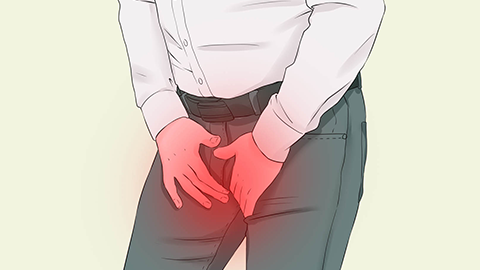
Priapism refers to a persistent penile erection occurring without sexual stimulation—or failing to subside following orgasm. When lasting longer than six hours, it is frequently accompanied by pain. Priapism can occur at any age, including in newborns. In younger patients, it is commonly associated with sickle cell disease or malignancy; in older patients, it is most often idiopathic. Most episodes occur during sleep-related erections, though some follow prolonged sexual activity, insect bites, or drug use.

Patients with pathological priapism should promptly seek evaluation at a reputable medical institution to determine the underlying cause and receive targeted treatment. We hope this information has been helpful to you!







